
Prophecy & End Times
The Role of Babylon in Scripture
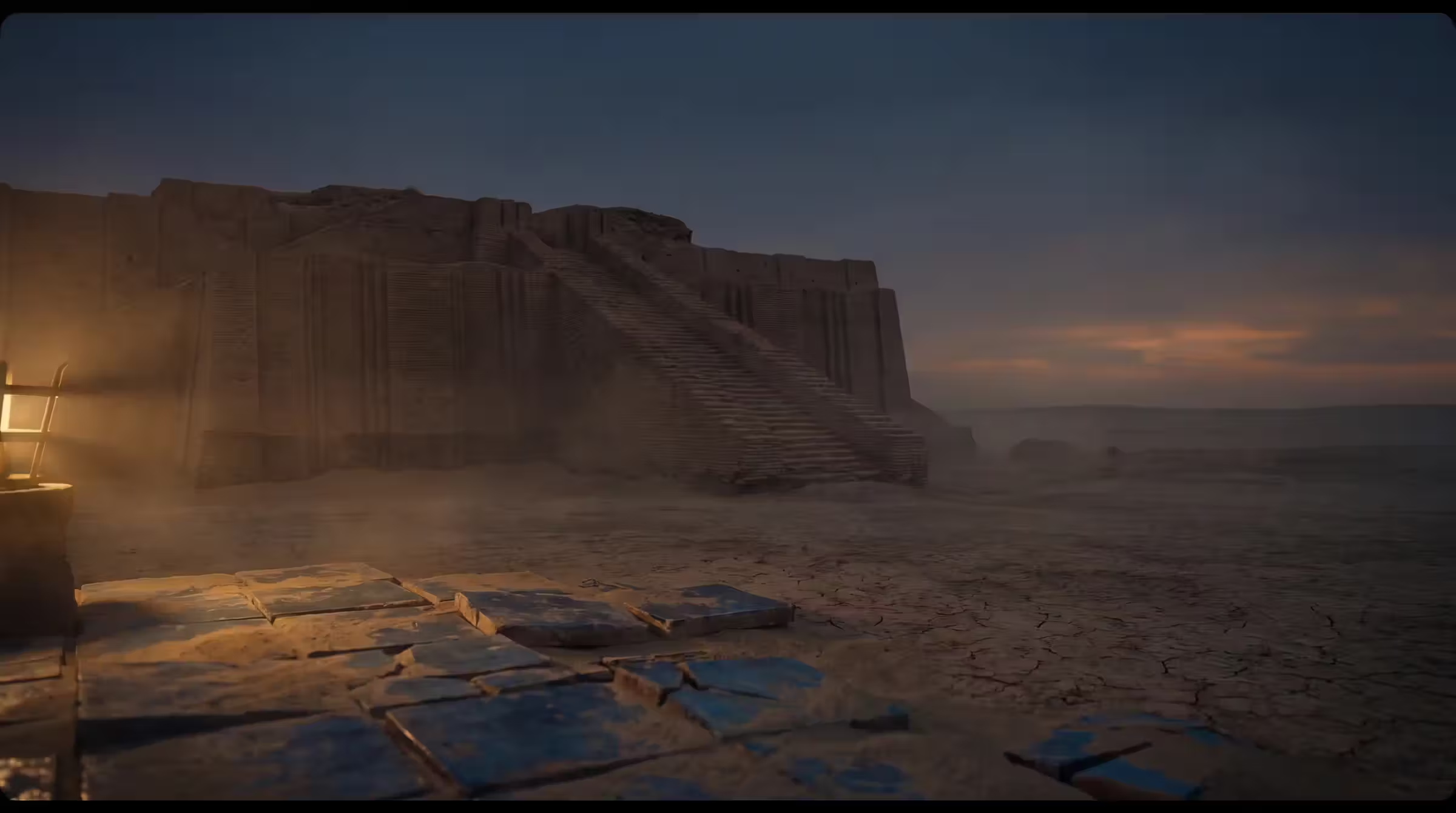
Babylon: The Bible's Symbol of Rebellion From the Tower of Babel in Genesis to the fall of Babylon in Revelation, this name echoes throughout Scripture as a symbol of human rebellion against God.

Babylon: The Bible's Symbol of Rebellion
From the Tower of Babel in Genesis to the fall of Babylon in Revelation, this name echoes throughout Scripture as a symbol of human rebellion against God. Understanding Babylon's role in the Bible provides crucial insight into the spiritual battle that has raged since the beginning and will culminate in the end times.
The Beginning: Tower of Babel
Babylon's story begins in Genesis 10-11 with Nimrod and the Tower of Babel. Here, humanity united in direct defiance of God's command to fill the earth. They sought to build a tower reaching heaven and "make a name for themselves." This was the birthplace of organized rebellion against God—a counterfeit religious system that would spread throughout the world.
God responded by confusing their languages and scattering the people across the earth. But the spirit of Babylon—human pride, self-exaltation, and false religion—continued through history.
Babylon as a World Empire
The Neo-Babylonian Empire under Nebuchadnezzar (605-539 BC) conquered Jerusalem, destroyed the Temple, and carried the Jewish people into captivity. Daniel's prophecies, given during this captivity, used Babylon as the head of gold in the statue vision (Daniel 2)—the first of four world empires.
Ancient Babylon represented the pinnacle of human achievement apart from God—magnificent architecture, advanced astronomy, and vast wealth. Yet it was also a center of idolatry, sorcery, and oppression of God's people.
Babylon in End-Times Prophecy
Revelation 17-18 describes two aspects of end-times Babylon: Religious Babylon (the harlot) and Commercial Babylon (the great city). Religious Babylon represents the false worldwide religious system that will dominate during the first half of the Tribulation—an apostate, ecumenical religion that persecutes true believers.
Commercial Babylon represents the world's economic system under the Antichrist. This system will control global commerce, requiring allegiance to the beast for buying and selling. Both aspects of Babylon will be utterly destroyed—religious Babylon by the Antichrist himself (Revelation 17:16), and commercial Babylon by divine judgment (Revelation 18).
The Fall of Babylon
"Fallen, fallen is Babylon the great!" (Revelation 18:2). The destruction of Babylon will be sudden, complete, and permanent. In one hour, the world's economic system will collapse. The merchants of the earth will weep, but heaven will rejoice because God has avenged His people.
The Call to God's People
"Come out of her, my people" (Revelation 18:4). Throughout Scripture, God calls His people to separate from Babylon's system—its values, its materialism, its false religion. Today, we must examine our own hearts: Are we entangled with the world's system, or are we living as citizens of heaven?
The spirit of Babylon is alive and well in our world—but its days are numbered. God will have the final word.
Continue the Story
Prophecy & End Times
Israel and Bible Prophecy
Israel: The Key to Understanding Prophecy No nation on earth holds a more significant place in Bible prophecy than Israel. Understanding God's plan for Israel is essential to rightly interpreting Scripture.

Prophecy & End Times
Why Bible Prophecy Matters
Why Should We Study Bible Prophecy? Bible prophecy isn't just about predicting the future—it's about understanding the heart of God. Approximately one-third of Scripture contains prophetic content, making it clear that God wants us to understand His plans.