
People of the Bible
Who Was Gabriel?
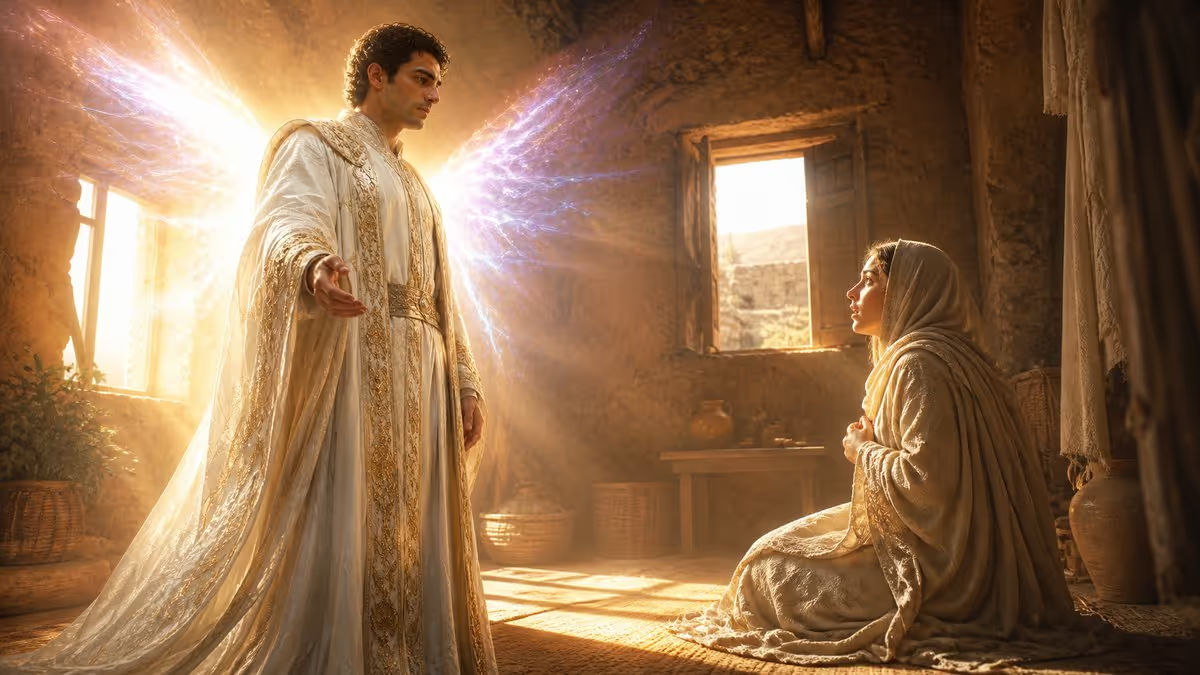
Gabriel is the angel who stands in the presence of God and delivered the announcements of John the Baptist's and Jesus's births.
The Messenger Who Stood in God's Presence
Most people know Gabriel as a Christmas decoration or a name on a greeting card. But in Scripture, he is something far more specific: a messenger sent from the very throne of God, who appeared to a handful of startled people with news that would change the world.
A Messenger in the Presence of God
Gabriel is one of only two angels named in the Bible, the other being Michael. His name is often understood to mean man of God or strength of God, and he serves as God's herald — the one who delivers important announcements. Unlike Michael, who is described as a warrior archangel contending with the devil (Jude 1:9), Gabriel is consistently shown bringing revelation to God's people.
He appears in both the Old and New Testaments, bridging the two. In the book of Daniel, he comes to the prophet Daniel to explain a vision, and Daniel describes him as one who speaks with him in his weariness and helps him understand what is to come (Daniel 9:21-22). Centuries later, in the Gospel of Luke, Gabriel appears again — twice, in quick succession — as the forerunner of the Messiah's birth.
The Two Announcements
Gabriel's most familiar appearance comes in Luke 1, when he stands in the temple before a priest named Zacharias. Zacharias and his wife Elisabeth were old and childless, yet Gabriel announced that they would have a son, John, who would prepare the way of the Lord. Zacharias doubted, and Gabriel answered with a declaration of his own authority: "I am Gabriel, that stand in the presence of God; and am sent to speak unto thee, and to shew thee these glad tidings" (Luke 1:19).
Not long after, Gabriel was sent to Nazareth to a young woman named Mary. He greeted her, told her she had found favour with God, and announced that she would conceive and bear a son called the Son of the Highest. When Mary asked how this could be, Gabriel answered that the Holy Ghost would come upon her, and that with God nothing shall be impossible (Luke 1:26-38).
Key Verses
"And the angel answering said unto him, I am Gabriel, that stand in the presence of God; and am sent to speak unto thee, and to shew thee these glad tidings." — Luke 1:19
"And the angel said unto her, Fear not, Mary: for thou hast found favour with God." — Luke 1:30
Why He Matters for Us
Gabriel reminds us that God is not silent. When the time was right, He sent a messenger to announce the coming of John and of Jesus, and He did it in the ordinary places of life — a temple, a small town, a young woman's home. Gabriel's story is a picture of faithful obedience: he did not invent his message or soften it, but delivered exactly what God gave him, whether the hearer rejoiced or doubted.
It also reminds us that God's announcements often come to people who feel overlooked. Zacharias was elderly; Mary was young and unknown. Yet both received the most important news in history. That is the shape of God's work — He chooses the humble and sends His word through those who stand in His presence.
A Closing Thought
When Gabriel speaks, heaven has opened. May we, like him, learn to carry God's word faithfully, and like Mary, to receive it with a willing heart.
Continue the Story
People of the Bible
Who Was Caesar Augustus?
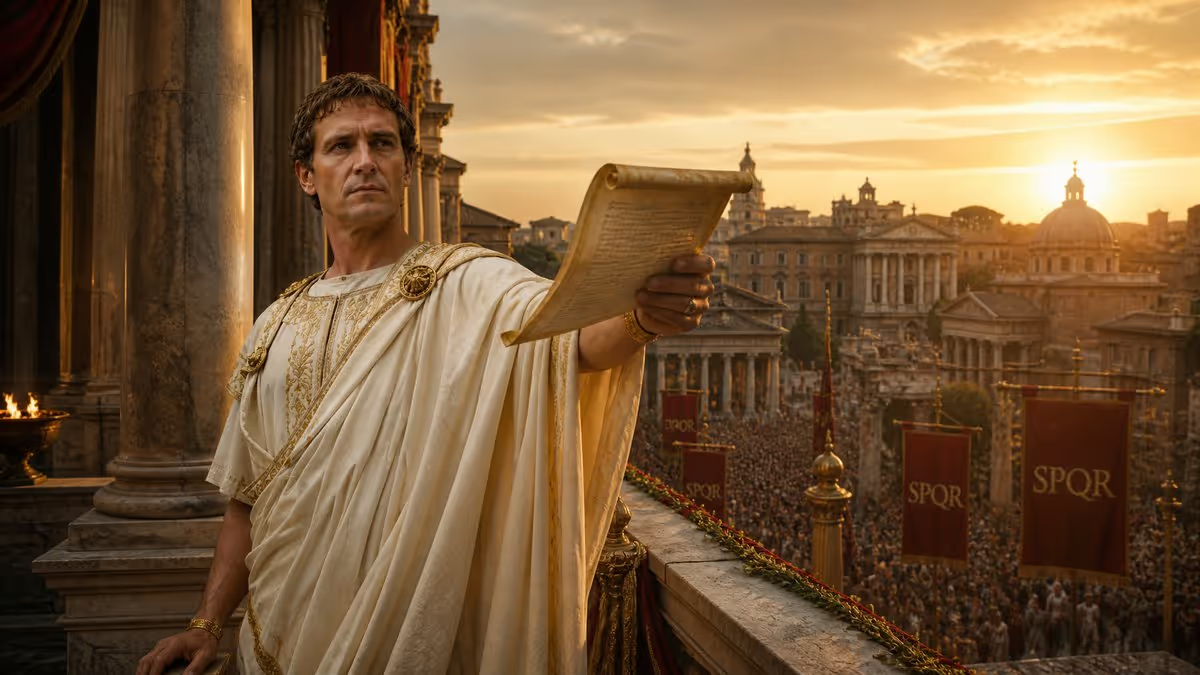
Caesar Augustus was the first Roman emperor whose decree brought Mary and Joseph to Bethlehem, fulfilling prophecy.
People of the Bible
Who Was Baruch?
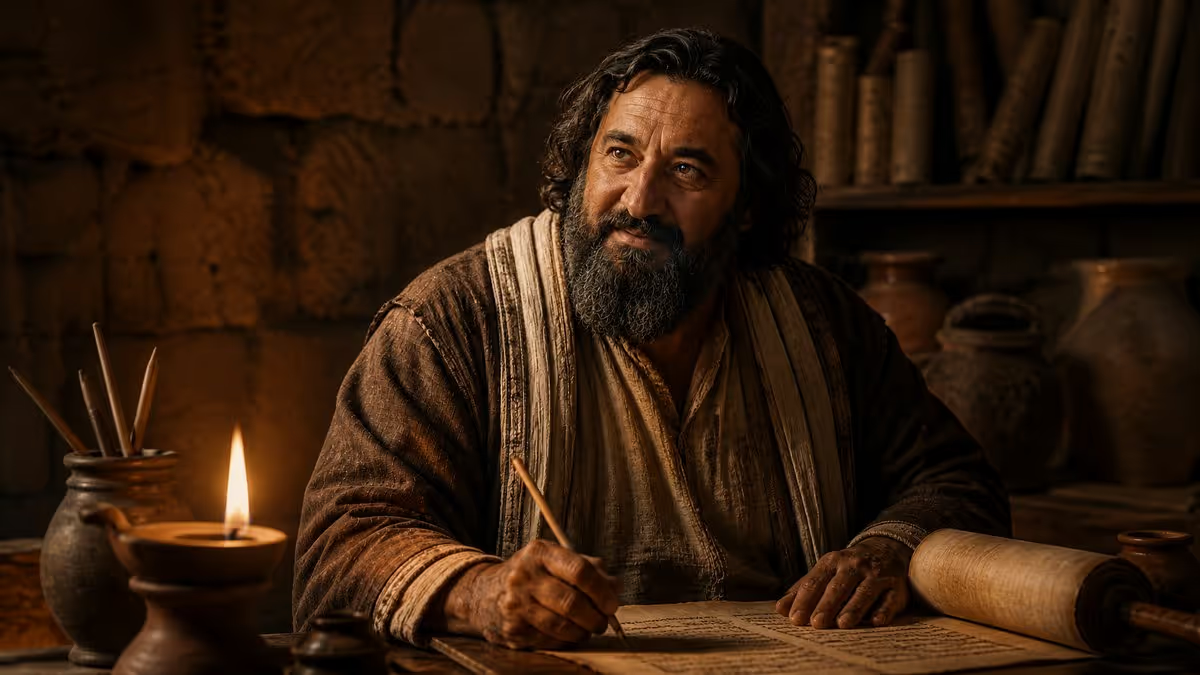
Baruch was the scribe and faithful companion of the prophet Jeremiah, who recorded and proclaimed God's words during the fall of Judah.