
People of the Bible
Who Was Herod The Great?
Herod the Great was the Roman-appointed king of Judea who sought to kill the newborn Jesus, known for his cruelty and building projects.
Herod the Great is a name that conjures images of a ruthless king, a master builder, and the tyrant who ordered the slaughter of innocent children in Bethlehem. But who was this complex figure, and what does his story teach us about power, fear, and the coming of the Messiah?
Who He Was
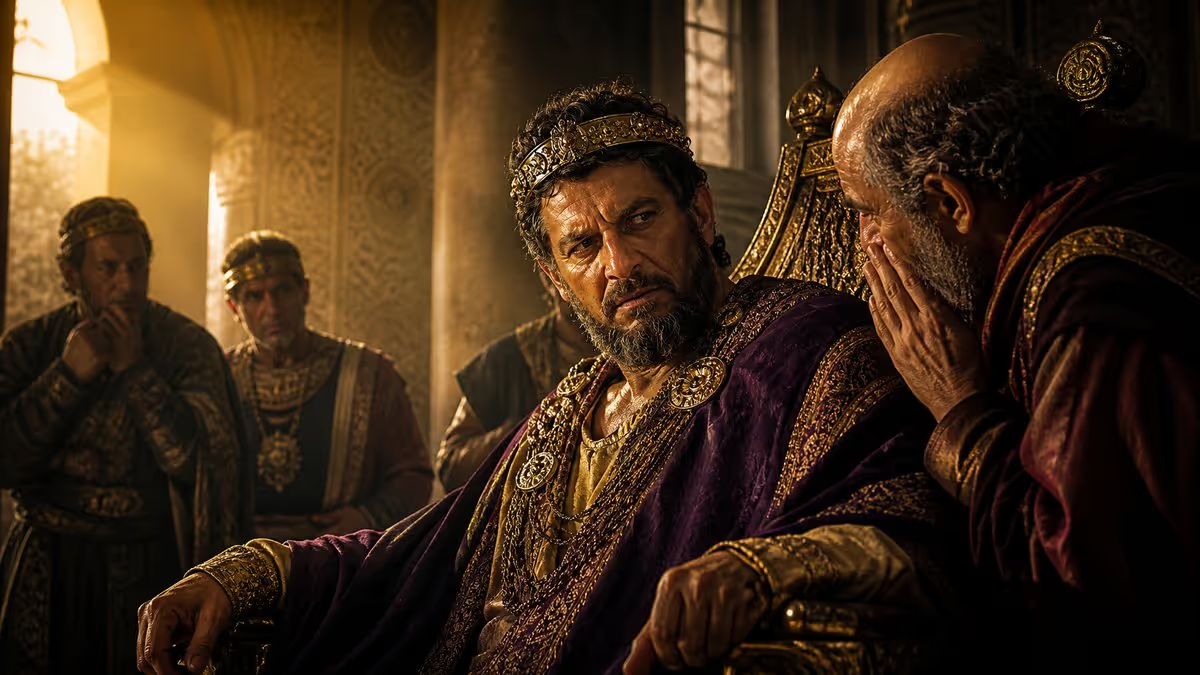
Herod the Great was the Roman-appointed king of Judea from 37 BC to 4 BC. He was an Idumean, a descendant of Esau, which made him an outsider in the eyes of many Jews. Despite this, he was a brilliant politician and a prolific builder. He is famous for renovating the Second Temple in Jerusalem, making it one of the wonders of the ancient world, and for building the fortress of Masada, among other projects.
Herod's reign was marked by political savvy and extreme cruelty. He was paranoid about losing his throne and even executed several of his own family members, including his wife Mariamne and two of his sons. This brutality is echoed in the Christmas story, where Herod, upon hearing from the wise men about the birth of a new "King of the Jews," ordered the massacre of all boys in Bethlehem aged two and under (Matthew 2:16).
His Story
Herod's most infamous biblical appearance is in Matthew 2. When the wise men from the east arrived in Jerusalem asking, "Where is he that is born King of the Jews?" (Matthew 2:2), Herod was troubled. He summoned the chief priests and scribes to find out where the Messiah was to be born. They told him Bethlehem, quoting the prophet Micah. Herod then secretly met with the wise men, asking them to report back so he could "worship" the child. But warned in a dream, the wise men returned home by another route, and Joseph was warned in a dream to flee to Egypt with Mary and Jesus. Herod, enraged, ordered the slaughter of the innocents.
This event, known as the Massacre of the Innocents, is a dark reminder of the lengths to which fear and power can drive a person. Herod saw the newborn Jesus as a threat to his throne, and his response was violence. Yet God protected His Son, fulfilling the prophecy, "Out of Egypt have I called my son" (Matthew 2:15).
Key Verses
"Then Herod, when he saw that he was mocked of the wise men, was exceeding wroth, and sent forth, and slew all the children that were in Bethlehem, and in all the coasts thereof, from two years old and under" (Matthew 2:16). Read the full passage at Bible Gateway.
Why He Matters
Herod the Great serves as a stark contrast to the humble King, Jesus. Herod had immense wealth, power, and influence, yet he was enslaved by fear. His story challenges us to examine our own hearts: what "thrones" are we unwilling to surrender to God? Do we, like Herod, allow fear to drive us to destructive actions? The gospel invites us to trust in a King whose kingdom is not of this world, one who reigns with love and justice.
Moreover, Herod's story reminds us that God's plans cannot be thwarted by human rulers. Despite Herod's attempts to eliminate the Messiah, Jesus survived and grew to fulfill His mission. This gives us confidence that no earthly power can stand against God's purposes.
Closing Thought
As we consider Herod the Great, may we be reminded that true greatness is not found in power or possessions but in a heart surrendered to God. The baby Herod tried to kill is the King who offers us peace and salvation. Let us welcome Him with the humility of the wise men, not the fear of Herod.
Continue the Story
People of the Bible
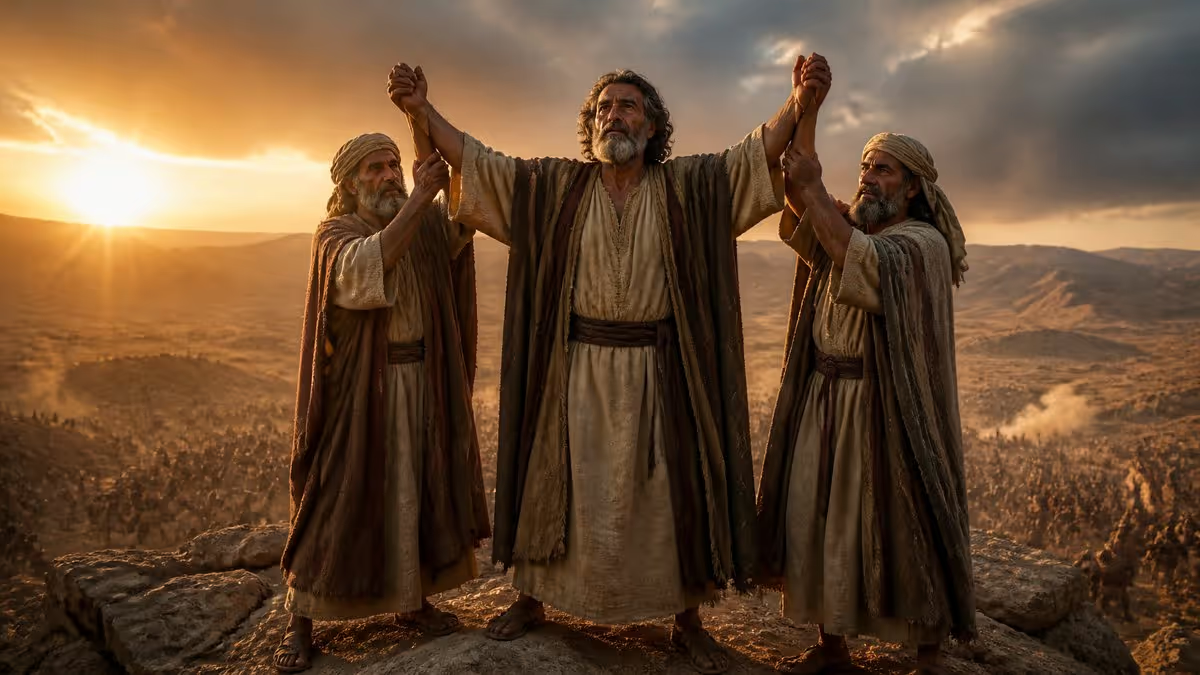
Who Was Hur?
Hur was a trusted companion of Moses and Aaron who helped hold up Moses' hands during the battle against the Amalekites, ensuring Israel's victory.
People of the Bible
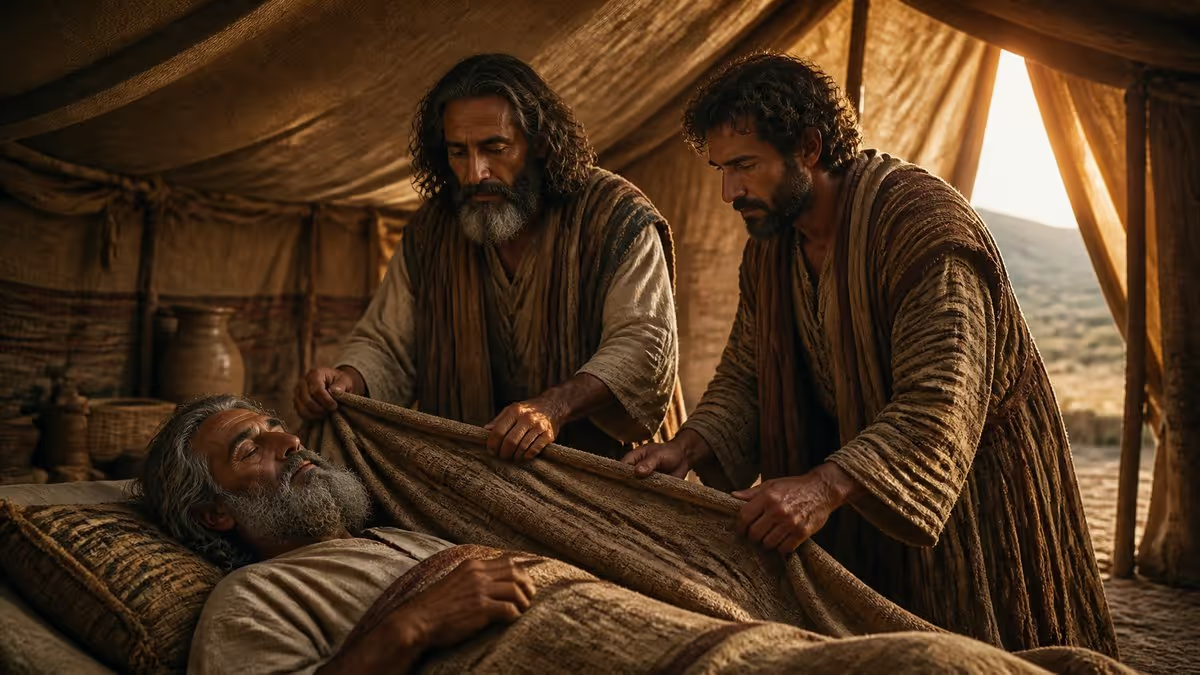
Who Was Shem?
Shem was one of Noah's sons, blessed by his father and ancestor of the Semitic peoples, including the line that led to Abraham and Jesus.