
Life
The Easter Story: The Death and Resurrection of Jesus
The Easter story is the center of the Christian faith. Everything in the New Testament — and, according to the apostles, everything in the Old Testament — points toward this: the crucifixion and resurrection of Jesus of Nazareth.

The Easter story is the center of the Christian faith. Everything in the New Testament — and, according to the apostles, everything in the Old Testament — points toward this: the crucifixion and resurrection of Jesus of Nazareth.
The story of the resurrection of Jesus is found in all four Gospels — Matthew 28, Mark 16, Luke 24, and John 20. Each account offers unique details, together creating a rich, multi-witness portrait of the most consequential events in history.
The Week Before: Palm Sunday to the Last Supper
The Easter story doesn't begin on Sunday. It begins the week before.
Jesus entered Jerusalem on what Christians call Palm Sunday, riding a donkey in fulfillment of Zechariah 9:9. The crowds spread cloaks and palm branches on the road before him, shouting, "Hosanna to the Son of David! Blessed is he who comes in the name of the Lord!" (Matthew 21:9).
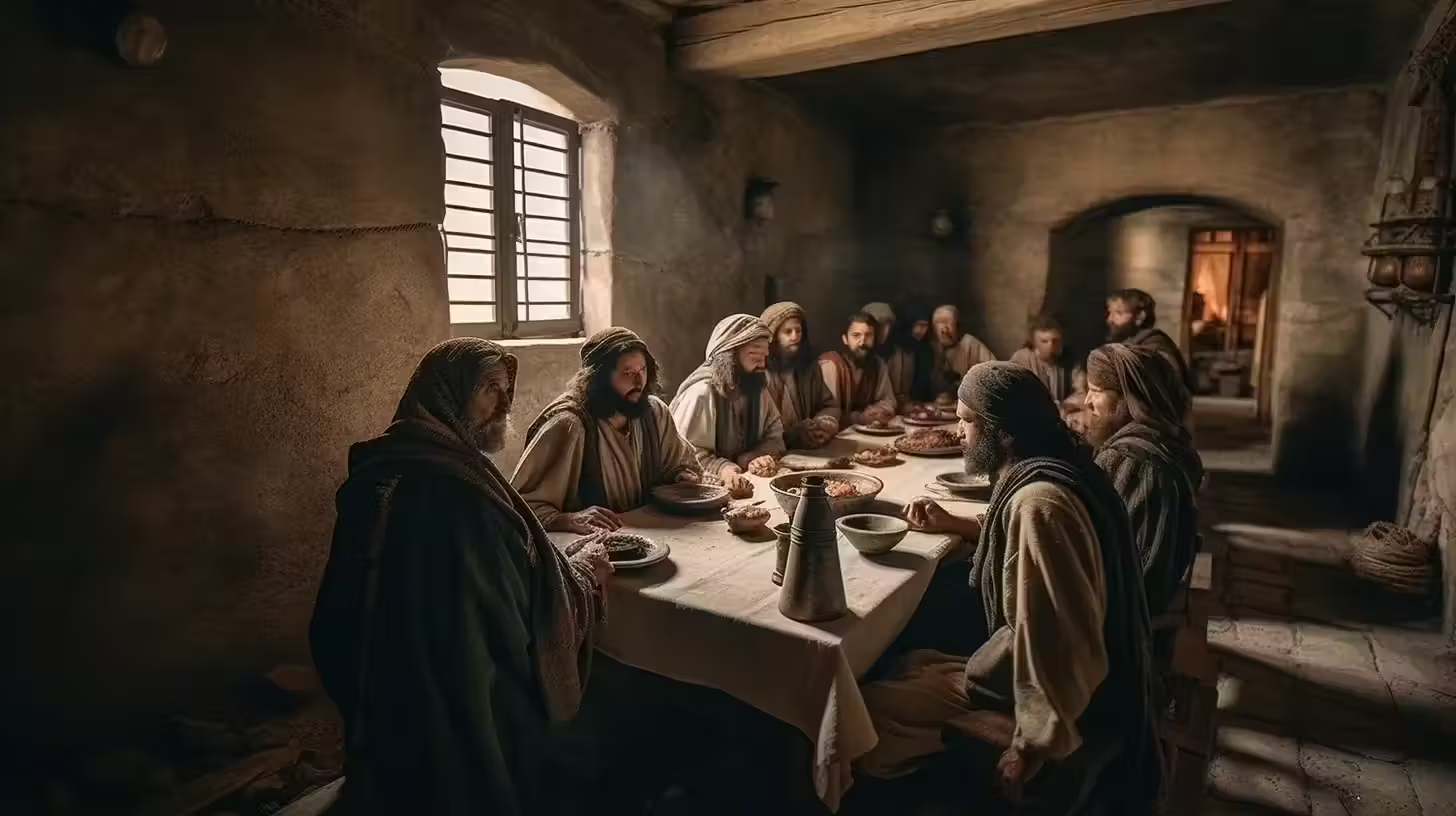
By Thursday evening, the mood had shifted. Jesus gathered his disciples for what we now call the Last Supper — the Passover meal. He broke bread and shared a cup of wine, saying these elements represented his body and blood, given for them. He washed their feet. He told them one of them would betray him.
Judas Iscariot had already made his arrangement with the chief priests: thirty pieces of silver for handing Jesus over to them.
After supper, Jesus took his disciples to the Garden of Gethsemane on the Mount of Olives, where he prayed in profound anguish: "Father, if you are willing, take this cup from me; yet not my will, but yours be done" (Luke 22:42). His disciples fell asleep while he prayed.
Then Judas arrived with the soldiers. A kiss as the signal. The arrest.
The Crucifixion: Good Friday
What followed were the trials — before the Sanhedrin, before Pilate, before Herod, before Pilate again. Pilate found no basis for a charge against Jesus but, under pressure from the crowd, handed him over to be crucified.
Jesus was flogged — a brutal punishment — then led to Golgotha, "the Place of the Skull," carrying his own cross. He was crucified between two criminals.
The sign above his cross read: "THIS IS JESUS, THE KING OF THE JEWS."
He hung on the cross for six hours. During that time, he spoke seven times: asking forgiveness for those crucifying him, promising paradise to the repentant criminal beside him, entrusting his mother to John's care, crying out "My God, my God, why have you forsaken me?", expressing thirst, declaring "It is finished," and committing his spirit to God.
At the moment of his death, the curtain in the temple tore from top to bottom, the earth shook, and rocks split. The Roman centurion standing there said: "Surely this man was the Son of God!" (Mark 15:39).
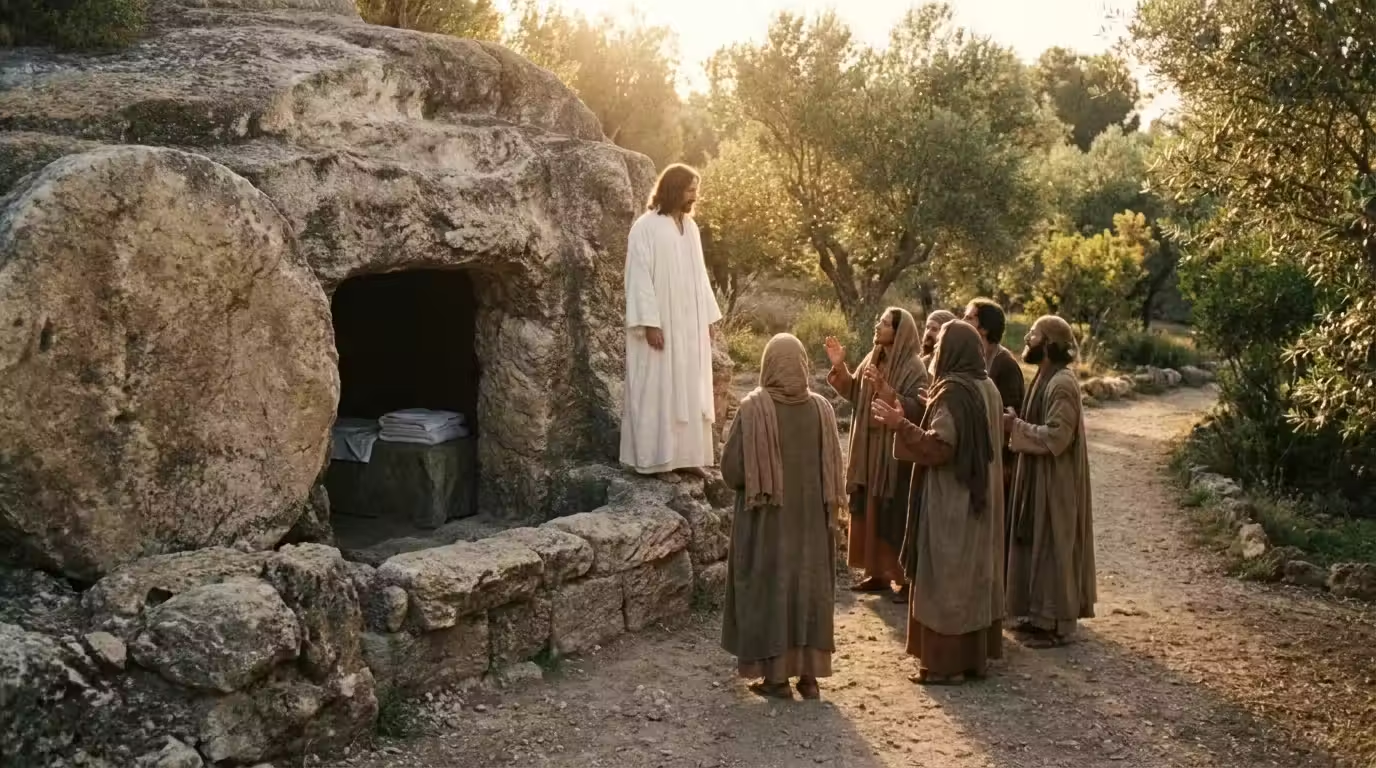
Joseph of Arimathea, a prominent member of the council and a secret disciple of Jesus, asked Pilate for Jesus' body. He wrapped it in linen cloth and placed it in his own new tomb, carved out of rock, and rolled a large stone against the entrance.
The Resurrection: Easter Sunday
Early on the first day of the week — what we call Sunday — several women came to the tomb bringing spices to anoint Jesus' body. The Gospels name different women, but Mary Magdalene appears in all four accounts.
There was a violent earthquake. An angel of the Lord had descended from heaven and rolled back the stone. His appearance was like lightning; his clothes were white as snow. The guards shook with fear and became like dead men.
The angel said to the women: "Do not be afraid, for I know that you are looking for Jesus, who was crucified. He is not here; he has risen, just as he said. Come and see the place where he lay. Then go quickly and tell his disciples" (Matthew 28:5–7).
The stone had not been rolled away to let Jesus out. He had already risen. The stone was rolled back so others could see in — to witness the empty tomb.
The Appearances
The resurrection of Jesus was not a private mystical experience. Over the next forty days, Jesus appeared to many people: to Mary Magdalene in the garden, to two disciples on the road to Emmaus, to the ten disciples in the locked room, to Thomas a week later, to seven disciples fishing on the Sea of Galilee, and to more than five hundred people at once (1 Corinthians 15:6).
Paul, writing around 55 AD — just 25 years after the events — notes that most of those five hundred witnesses were still alive, implicitly inviting readers to go ask them.
Why the Easter Story Matters
The apostle Paul puts it plainly in 1 Corinthians 15:17: "If Christ has not been raised, your faith is futile." The resurrection is not a peripheral detail of Christian belief. It is the foundation.
Jesus was who he claimed to be. The resurrection is God's validation of Jesus' identity, teaching, and death on behalf of others. Death is not the final word. If Jesus rose, then death has been defeated — and those who trust in him have a future beyond the grave.
Explore the Easter Story at The Ark Life Bible Directory
The Ark Life Bible Directory is your comprehensive guide to the people and stories of Scripture — from the patriarchs of Genesis to the apostles of the early church. Explore the Easter story and every major event of the Bible with in-depth character guides, story summaries, and devotional reflections.
Visit livethearklife.com.
Continue the Story

Life
Hosanna: The Shout of Praise that Sounds Kinda Like a Sneeze ;)
Hosanna: The Shout of Praise That Could Have Been a Sneezing Panda When you hear the word "Hosanna," you might think it's the name of your new exotic neighbor or perhaps a fancy brand of organic granola.
Life
Maundy Thursday: The Profound Intersection of Love and Suffering
In the quiet reflection of Maundy Thursday, Christians around the world enter into a profound narrative that weaves together themes of love, service, and prophetic fulfillment.