
People of the Bible
Who Was Asher?
Asher, the eighth son of Jacob, received a blessing of rich food and royal delicacies, symbolizing a life of contentment and God's faithful provision.

When you think of the twelve tribes of Israel, names like Judah and Levi often come to mind, but what about Asher? This lesser-known son of Jacob has a story that whispers of blessing, provision, and the quiet faithfulness of God. Asher may not have the dramatic exploits of David or the fiery prophecies of Elijah, but his life carries a profound message for anyone who feels overlooked or simply wants to live a life of contentment.
Asher was the eighth son of Jacob, born to Zilpah, Leah's maidservant (Genesis 30:12-13). His name means "happy" or "blessed," and Leah declared, "Happy am I, for the daughters will call me blessed" (Genesis 30:13). Asher grew up as one of the twelve patriarchs, and his descendants became one of the tribes of Israel. While the Bible doesn't give us many personal stories about Asher himself, his legacy is woven into the blessings and prophecies spoken over him.
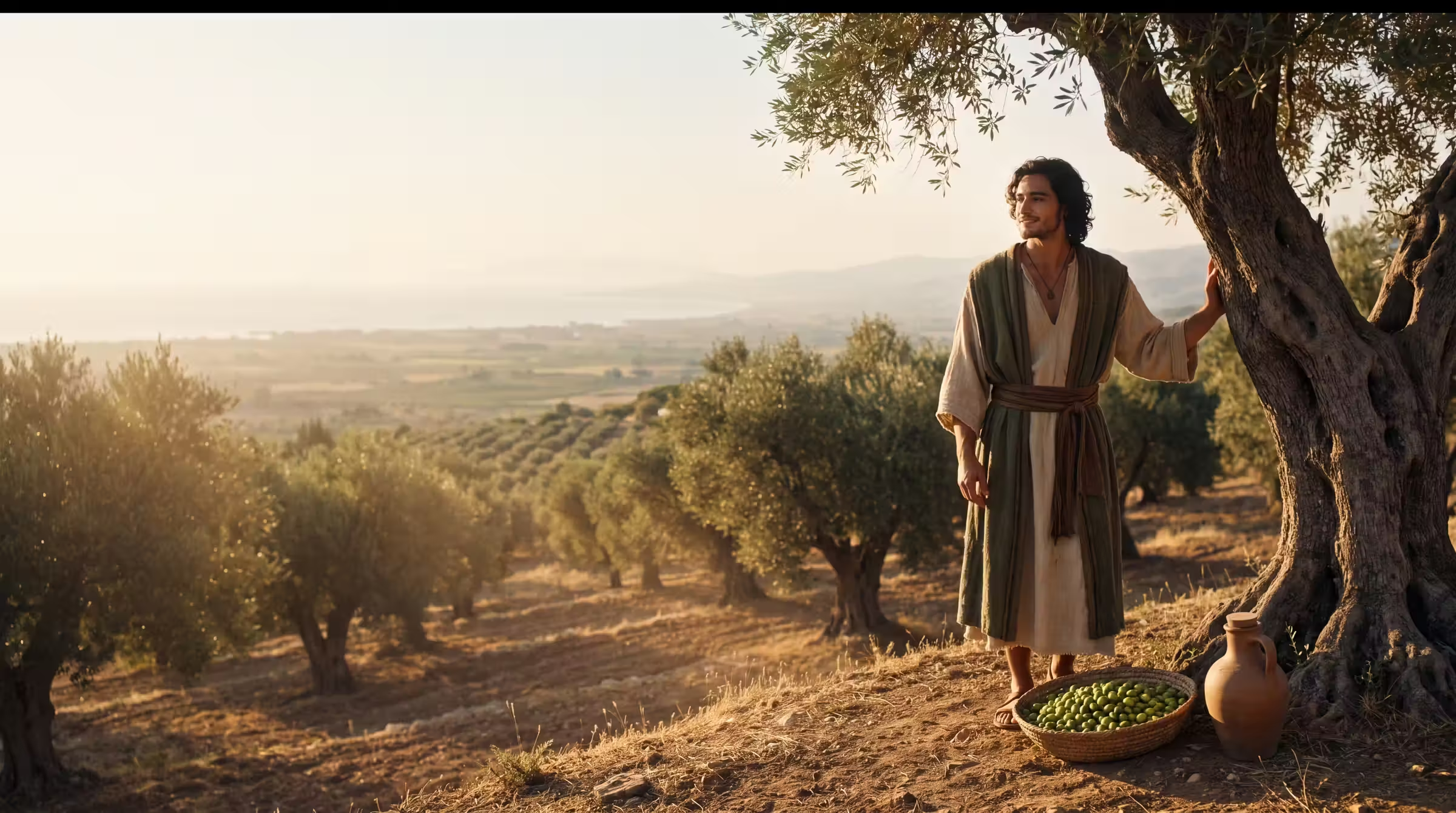
The defining moment for Asher comes in the blessings of Jacob and Moses. Jacob's blessing in Genesis 49:20 says, "Asher's food shall be rich, and he shall yield royal delicacies." Moses later echoes this in Deuteronomy 33:24-25, blessing Asher with strength and security: "Let Asher be blessed with children; let him be acceptable to his brothers, and let him dip his foot in oil." These words pointed to a future where the tribe of Asher would enjoy fertile land, abundant resources, and a life of prosperity. Historically, the tribe settled in the western Galilee, a region known for its olive groves and rich soil—literally a land flowing with oil and delicacies.
What can we learn from Asher today? His story reminds us that God sees and blesses even those who may not be in the spotlight. Asher's blessing wasn't about military might or dramatic miracles; it was about daily provision and simple joy. In a world that often equates significance with fame, Asher teaches us that a life marked by contentment, gratitude, and the quiet enjoyment of God's gifts is just as valuable. As the psalmist says, "The lines have fallen for me in pleasant places; indeed, I have a beautiful inheritance" (Psalm 16:6).
Asher's portion in the Promised Land was a tangible sign of God's faithfulness. His tribe's abundance was a reminder that God keeps his promises from generation to generation. When we feel like our story is ordinary, we can remember that God's blessings often come in the form of daily bread, loving family, and the simple pleasures of life. Asher's name itself—"happy"—is a call to find our happiness not in circumstances, but in the goodness of a God who provides.
So the next time you read about the twelve tribes, pause at Asher. His story may be brief, but it echoes with a timeless truth: God delights in blessing his children, and sometimes the greatest blessing is a life of peaceful abundance. Let us strive to live like Asher—rooted in gratitude, enriched by God's provision, and content in the heritage we've received.
For more on Asher's blessing, see Deuteronomy 33:24-25 on BibleGateway.
Continue the Story
People of the Bible
Who Was Omri?
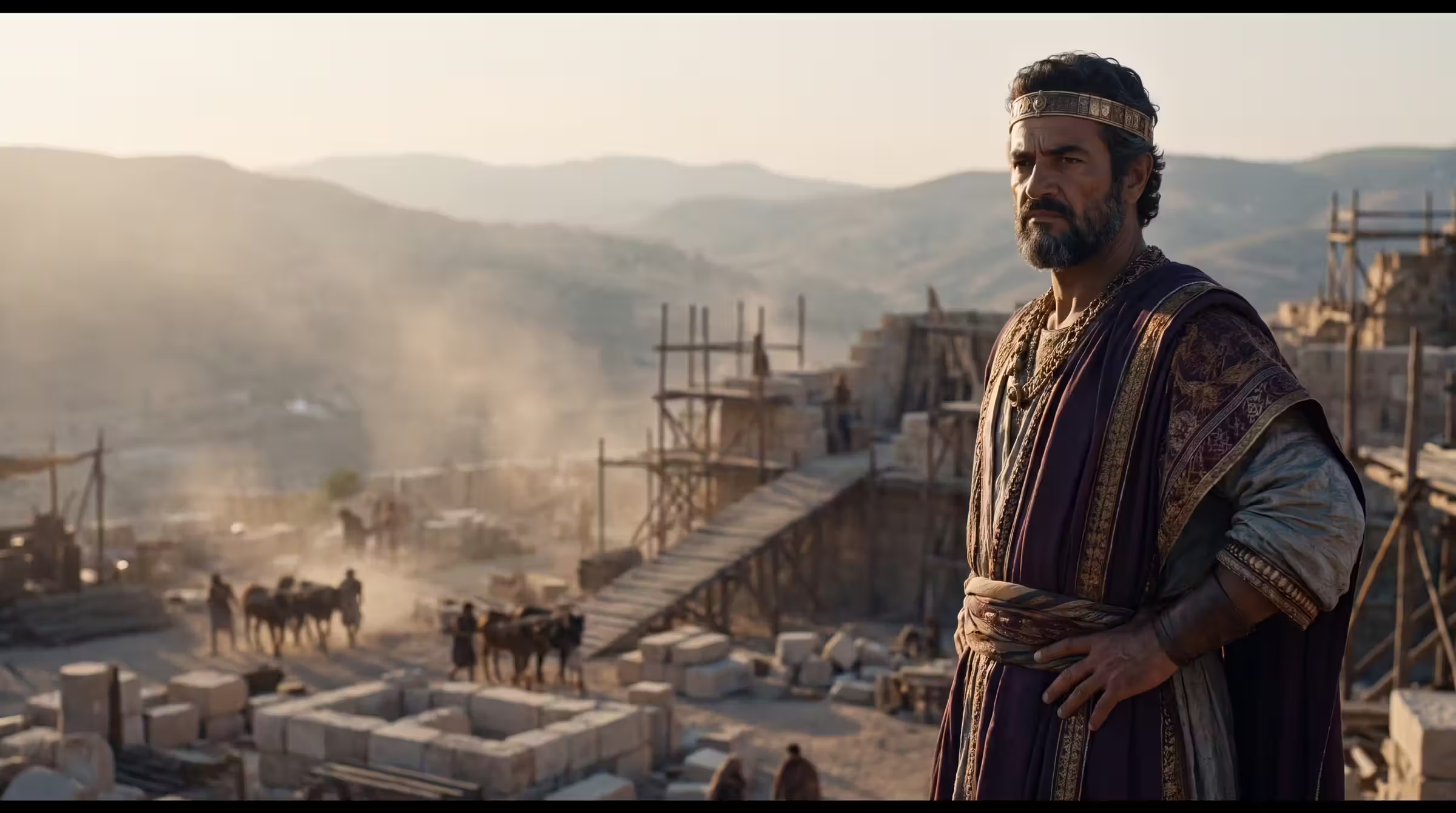
Omri was a powerful but wicked king of Israel who built Samaria and led the nation into idolatry, setting the stage for disaster.

People of the Bible
Who Was Eli?
Who Was Eli? Have you ever felt like you were given a sacred responsibility, but you struggled to manage your own household? That was Eli, a priest and judge of Israel whose story is both cautionary and redemptive.