
People of the Bible
Who Was Omri?
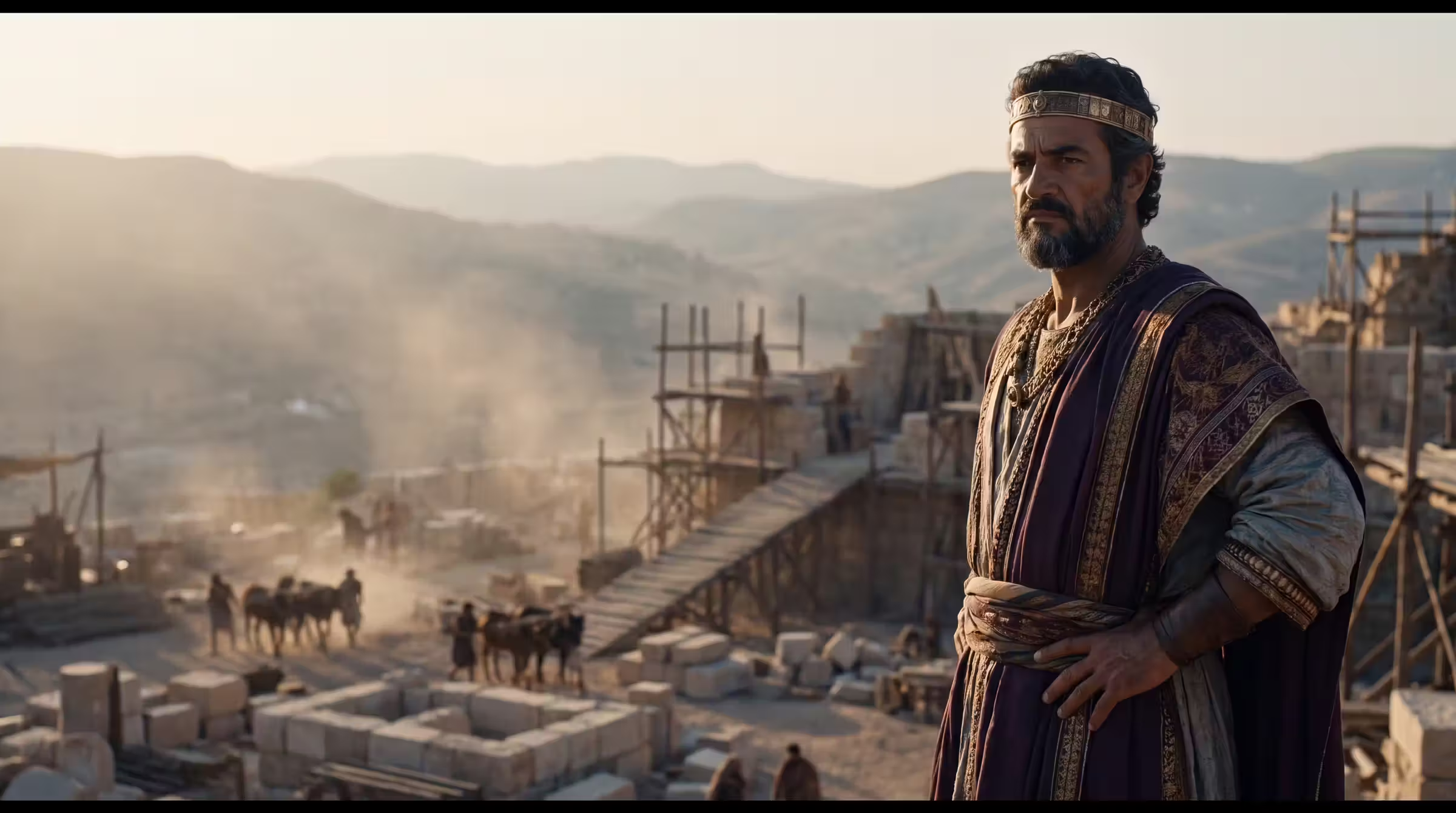
Omri was a powerful but wicked king of Israel who built Samaria and led the nation into idolatry, setting the stage for disaster.

Who Was Omri?
Omri is one of those biblical figures who often slips under the radar, yet his story is full of lessons about ambition, legacy, and the cost of turning away from God. He was a king of Israel, the northern kingdom, ruling for about twelve years in the ninth century BC. You might know his name from the infamous line in Micah 6:16, where God rebukes Israel for 'the statutes of Omri.' But who was this man, and why does his shadow loom so large?
Omri rose to power during a turbulent time. After King Elah was assassinated by his general Zimri, the army chose Omri as their king. Civil war followed, and Omri eventually triumphed, becoming the sole ruler of Israel (1 Kings 16:15-22). He was a capable military leader and an astute politician, moving the capital to a new city he built called Samaria, which became a powerful stronghold. Yet the Bible gives him a stark epitaph: 'He did evil in the eyes of the LORD, and sinned more than all who were before him' (1 Kings 16:25).
His Story
Omri's story is told in just a few verses in 1 Kings 16. After Zimri's brief, bloody rule ended with his own suicide, Omri faced a rival named Tibni. For four years, the nation was split, but Omri prevailed. He then set about securing his kingdom. He bought the hill of Samaria from a man named Shemer for two talents of silver, and built a city there, naming it after its original owner (1 Kings 16:24). This move was strategic—Samaria sat on a defensible hill and controlled key trade routes.
Despite his political savvy, Omri's spiritual legacy was disastrous. He followed in the sins of Jeroboam, who had set up golden calves at Dan and Bethel to keep Israel from worshiping in Jerusalem. Worse, he made alliances with the pagan Phoenicians, sealing a marriage between his son Ahab and Jezebel, the daughter of the king of Sidon. This union would bring Baal worship to Israel on a scale that provoked God's wrath for generations. Omri's reign set the stage for the dramatic confrontations between Elijah and the prophets of Baal, and ultimately for Israel's downfall.
Key Verses
Omri did evil in the eyes of the LORD and sinned more than all who were before him. He followed completely the ways of Jeroboam son of Nebat, committing the same sins Jeroboam had caused Israel to commit, so that they aroused the anger of the LORD, the God of Israel, by their worthless idols.
Why They Matter
Omri's life is a sobering reminder that success in the world's eyes doesn't equal favor with God. He was a brilliant king—his dynasty lasted four generations and even Assyrian records called Israel 'the house of Omri' for decades after his death. Yet all that secular success meant nothing because he led his people away from the living God. His story challenges us to examine our own priorities: Are we building our own 'Samaria'—our reputation, career, or legacy—while neglecting our walk with the Lord? Omri shows us that the most important legacy we can leave is one of faithfulness, not just accomplishment.
A Closing Thought
Omri's name may not be famous, but his choices echoed through history. Let his life inspire you to consider what truly lasts. In the end, it's not the cities we build or the alliances we make, but the God we serve that defines our story.
Continue the Story
People of the Bible
Who Was Asher?
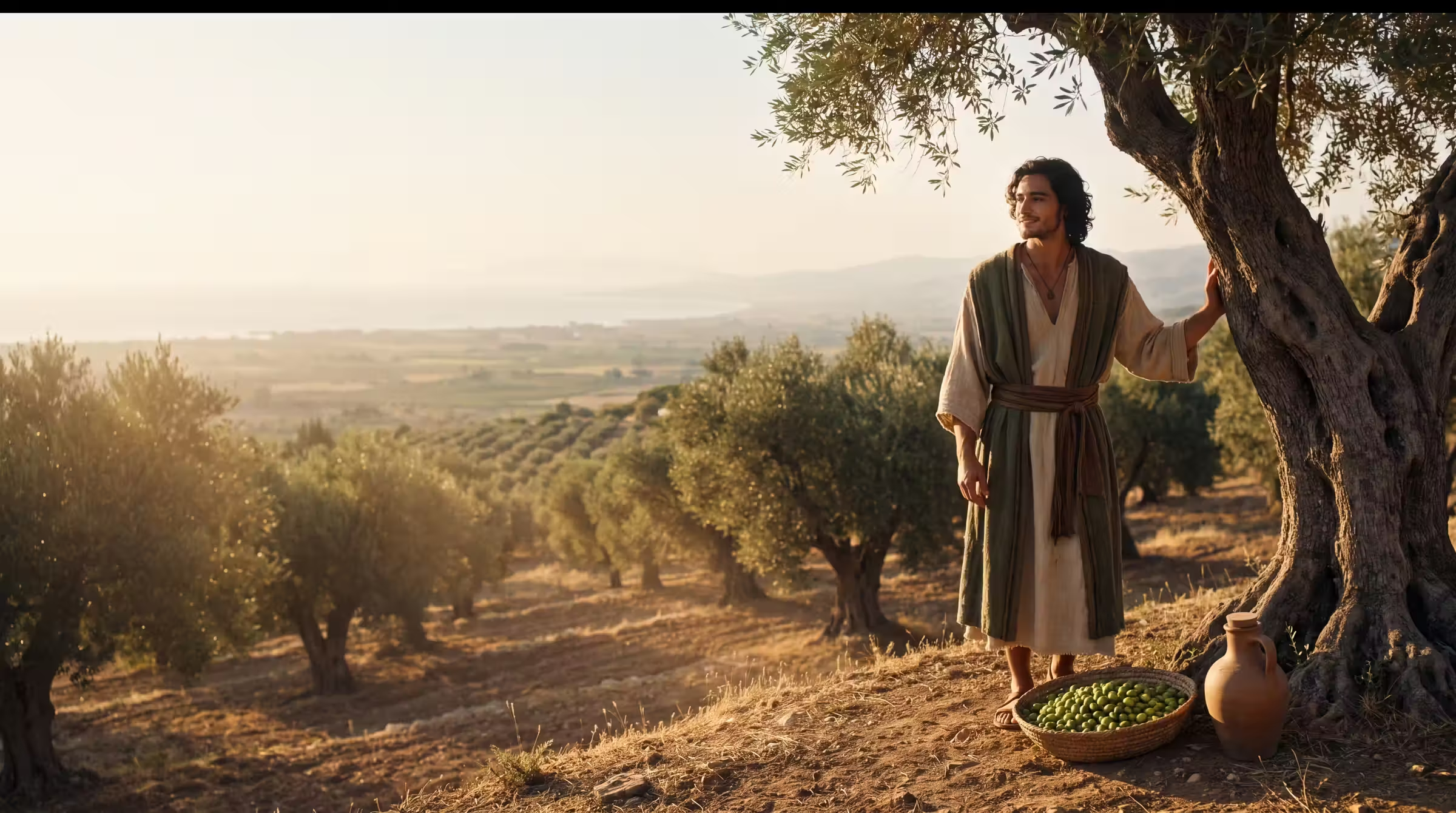
Asher, the eighth son of Jacob, received a blessing of rich food and royal delicacies, symbolizing a life of contentment and God's faithful provision.
People of the Bible
Who Was Eli?
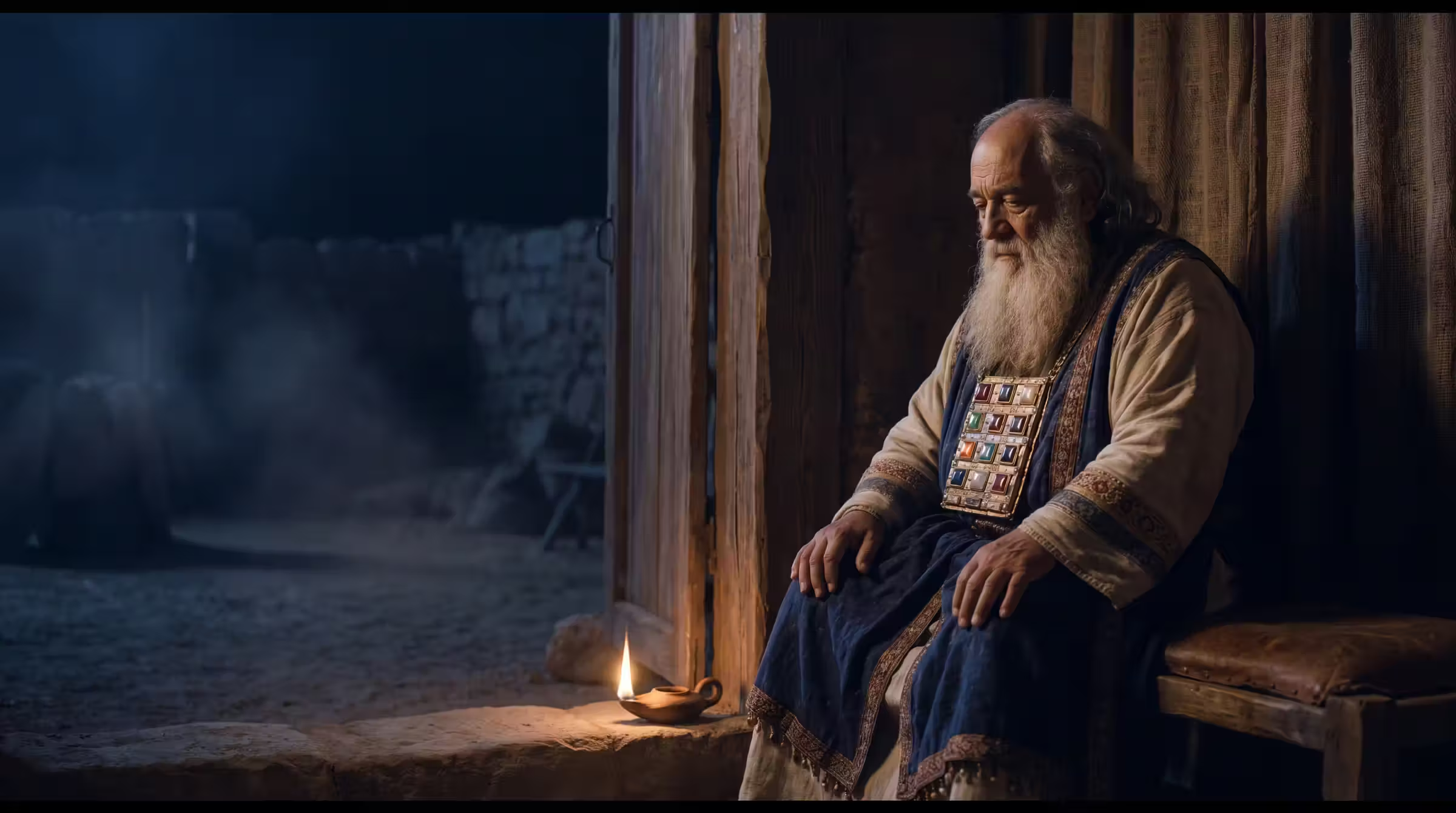
Who Was Eli? Have you ever felt like you were given a sacred responsibility, but you struggled to manage your own household? That was Eli, a priest and judge of Israel whose story is both cautionary and redemptive.