
People of the Bible
Who Was Nadab?
Nadab is one of those Bible characters whose story is both brief and sobering. He was the eldest son of Aaron, the first high priest of Israel, and therefore had a front-row seat to God's miraculous work in the wilderness.

Nadab is one of those Bible characters whose story is both brief and sobering. He was the eldest son of Aaron, the first high priest of Israel, and therefore had a front-row seat to God's miraculous work in the wilderness. Yet his name is remembered not for faithfulness, but for a tragic mistake that cost him his life.
Who He Was
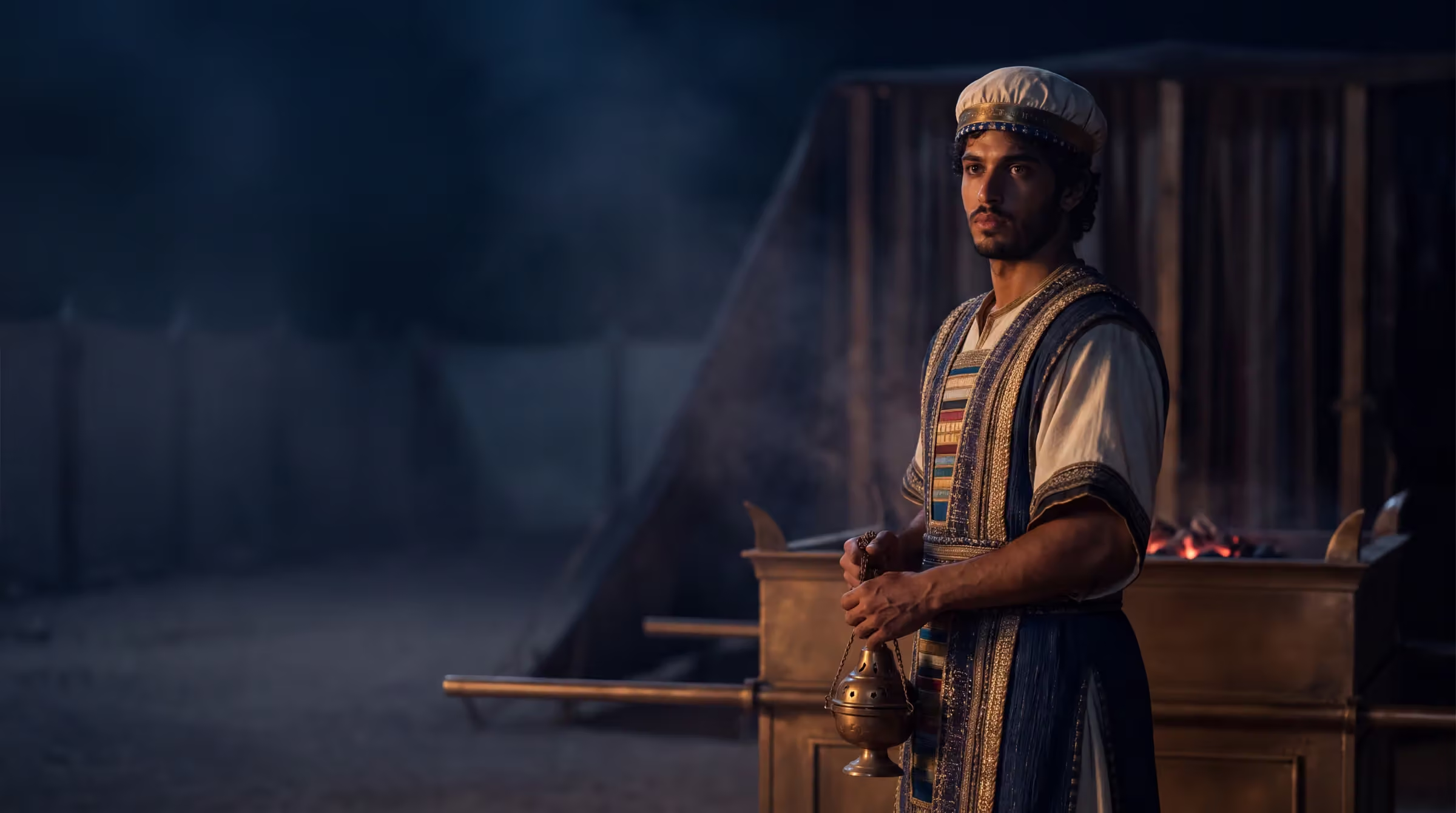
Nadab was the firstborn of Aaron and Elisheba (Exodus 6:23), placing him in the priestly line of Levi. Along with his father and three brothers—Abihu, Eleazar, and Ithamar—he was consecrated as a priest to serve in the Tabernacle (Exodus 28:1). As the eldest, Nadab would have been expected to succeed Aaron as high priest. He witnessed the plagues in Egypt, the parting of the Red Sea, and the giving of the Law at Sinai. He even accompanied Moses and the elders up the mountain to see a vision of God (Exodus 24:1, 9-11).
His Story
The defining moment of Nadab's life, however, is a devastating one. In Leviticus 10:1-2, we read: "Aaron’s sons Nadab and Abihu took their censers, put fire in them and added incense; and they offered unauthorized fire before the Lord, contrary to his command. So fire came out from the presence of the Lord and consumed them, and they died before the Lord."
Scripture doesn't specify exactly what made their fire "unauthorized." Some scholars suggest they used coals from a source other than the altar, or that they entered the Holy Place while drunk (the next verses warn against alcohol while serving). Whatever the case, they acted presumptuously and ignored God's explicit instructions. Their punishment was immediate and severe, serving as a stark warning about the holiness of God.
Key Verses
Leviticus 10:1-2 — "Aaron’s sons Nadab and Abihu took their censers, put fire in them and added incense; and they offered unauthorized fire before the Lord, contrary to his command. So fire came out from the presence of the Lord and consumed them, and they died before the Lord."
Why They Matter
Nadab's story is a sobering reminder that God's instructions are not suggestions. He is holy, and approaching Him on our own terms—rather than His—has serious consequences. This is especially important for those in leadership or positions of spiritual responsibility. Nadab had every privilege: family heritage, personal experience of God's power, and a sacred calling. Yet he fell because of presumption. His life challenges us to examine our own hearts: Do we serve God with reverent obedience, or do we take shortcuts and assume our own ideas are good enough?
A Short Closing Thought
Nadab's story may be short, but it echoes through Scripture as a warning: God desires obedience over sacrifice (1 Samuel 15:22). May we learn from his mistake and approach God with humble, careful hearts.
Continue the Story
People of the Bible
Who Was Omri?
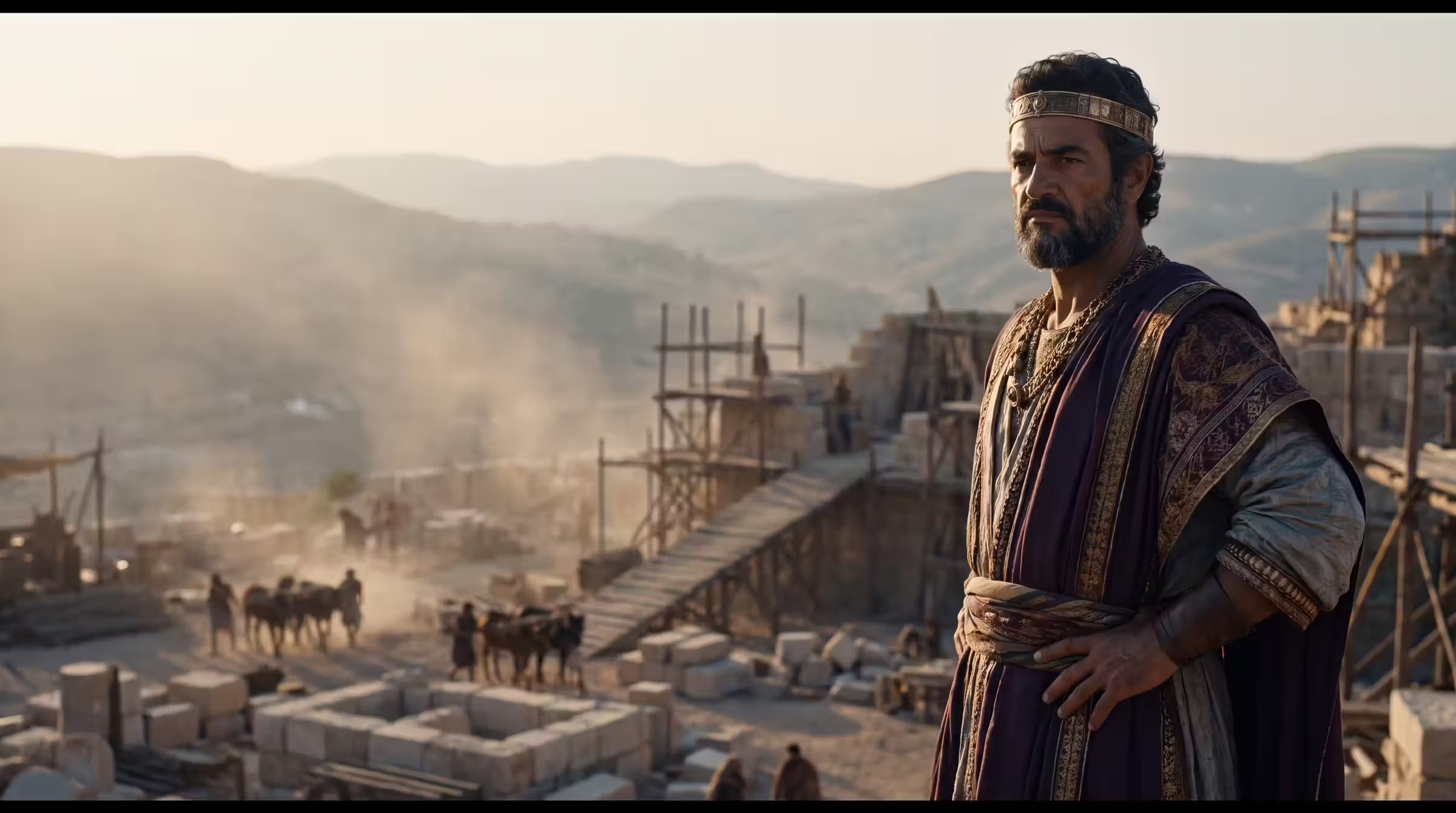
Omri was a powerful but wicked king of Israel who built Samaria and led the nation into idolatry, setting the stage for disaster.
People of the Bible
Who Was Asher?
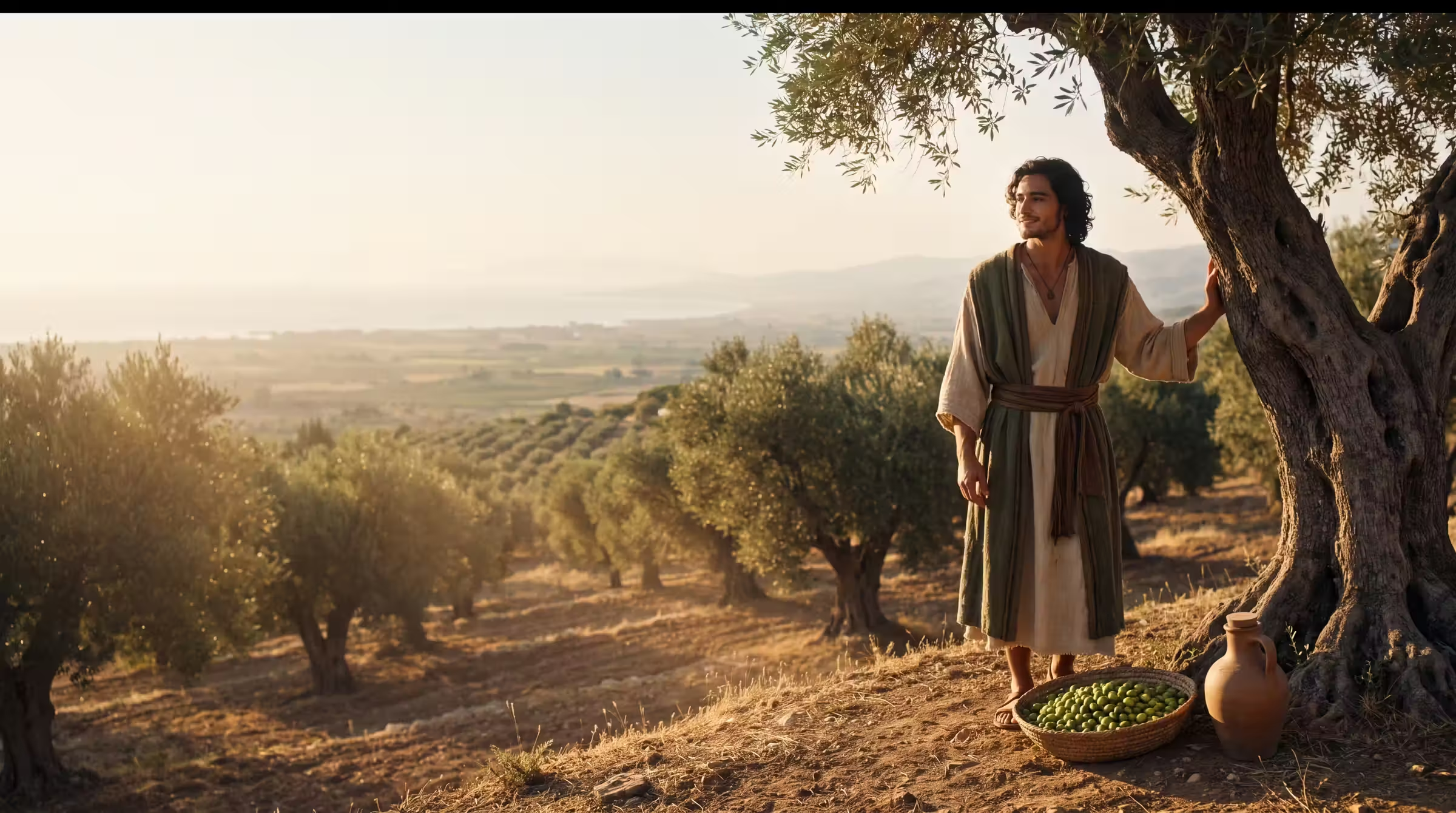
Asher, the eighth son of Jacob, received a blessing of rich food and royal delicacies, symbolizing a life of contentment and God's faithful provision.