
People of the Bible
Female Bible Characters: The Most Influential Women in Scripture
Meet the most powerful female bible characters — from Deborah and Esther to Mary and Mary Magdalene — and discover why their stories still matter.

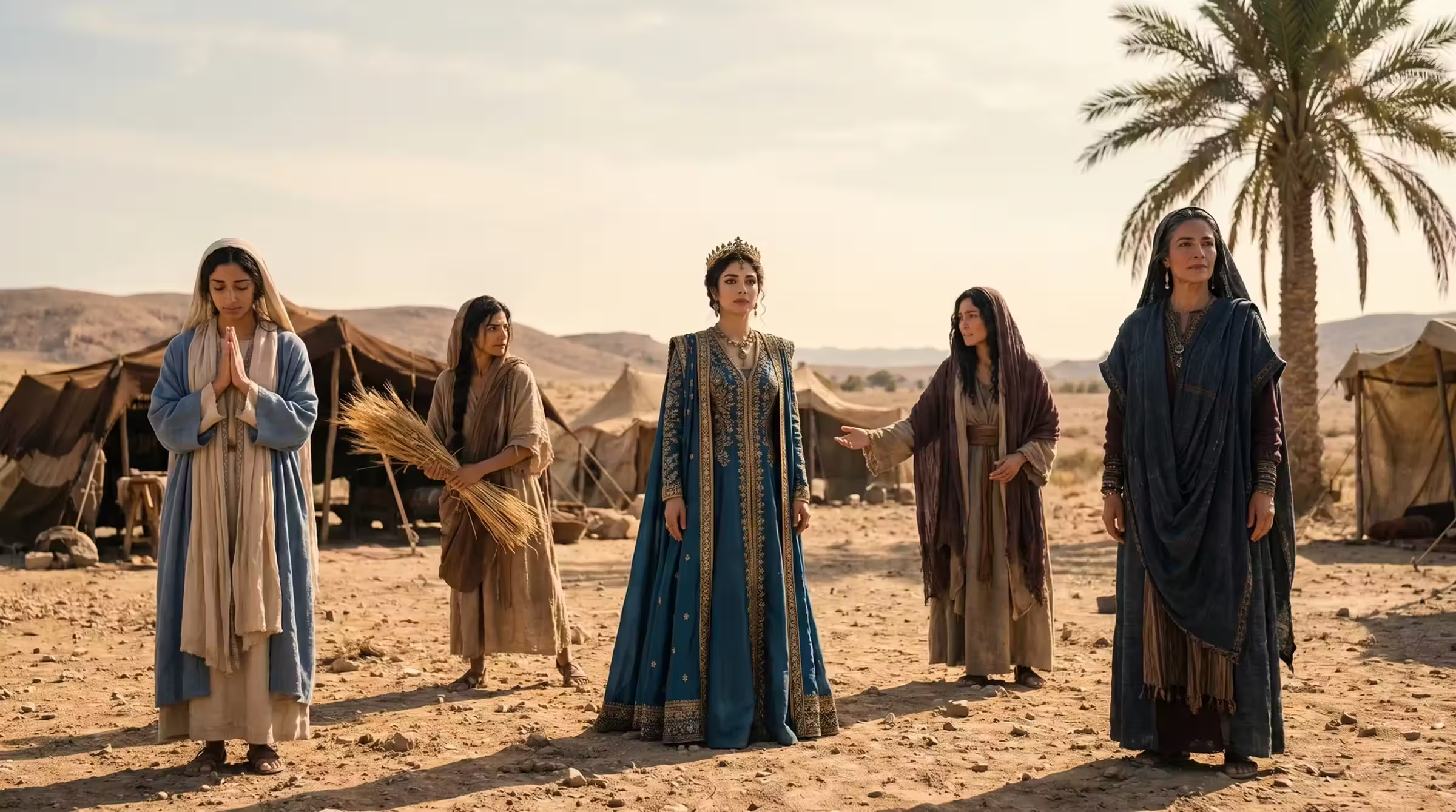
The Bible is filled with extraordinary women — prophets, queens, warriors, mothers, mystics, and ministers who shaped the course of God's story in ways that continue to inspire people around the world. Female bible characters are often overlooked in popular culture, but a close reading of Scripture reveals women of remarkable courage, wisdom, faith, and leadership at every stage of biblical history.
Why Female Bible Characters Matter
The women of the Bible were prophets who spoke God's word with authority (Deborah, Huldah, Anna), queens who shaped the fate of nations (Esther, Bathsheba), warriors who led armies (Deborah, Jael), evangelists who spread the gospel before there was a church (Mary Magdalene, the Samaritan woman), patrons who funded the ministry of Jesus (Joanna, Susanna), and theologians who corrected other teachers (Priscilla). Far from being marginalized, these women were central to God's unfolding plan.
Eve: Mother of All Living
No list of female bible characters begins anywhere other than Eve. Created from Adam's side as his equal partner, Eve was the first woman in creation and the first to receive the promise of a coming Redeemer who would crush the serpent's head (Genesis 3:15). Theologians call this the protoevangelium — the first gospel. Her legacy is complex and profound: mother, rebel, and the first recipient of grace.
Sarah: The First Matriarch
Sarah laughed when God told her she would conceive a son at age 90 — and then held that son, Isaac, in her arms. Her story is about God's faithfulness to his promises even when they seem biologically impossible. The New Testament holds Sarah up as a model of faith and calls believing women her daughters (1 Peter 3:6).
Deborah: Prophet, Judge, and Commander
Deborah stands alone among the female bible characters of the Old Testament as a figure who combined spiritual authority, judicial power, and military leadership. She served as judge in Israel at a time when the nation was oppressed, summoned the general Barak to lead a military campaign, and — when Barak refused to go without her — marched with him to victory. Her song of triumph (Judges 5) is one of the oldest pieces of Hebrew poetry in the Bible.
Ruth: The Loyal Foreigner
Ruth was a Moabite widow with no legal claim on Israel's God, its land, or its people. But her famous declaration to Naomi — 'Where you go I will go... your people shall be my people, and your God my God' (Ruth 1:16) — is one of the most beautiful expressions of covenant love in all of Scripture. Ruth's faithfulness brought her into the direct ancestral line of King David and Jesus himself.
Hannah: The Praying Mother
Hannah was barren in a culture where barrenness was a mark of shame. Year after year, she brought her grief to God in desperate, silent prayer. God answered with the prophet Samuel — and Hannah's prayer of thanksgiving became the model for Mary's Magnificat in the New Testament. The faithfulness of one praying woman echoed across centuries.
Esther: For Such a Time as This
Esther became queen in the Persian empire — a Jewish woman hiding her identity until the moment arrived when hiding it would cost her people everything. When Haman plotted genocide, Mordecai reminded her: 'Who knows whether you have not come to the kingdom for such a time as this?' (Esther 4:14). Esther fasted, prayed, and walked into the king's presence uninvited — a move that could have meant her execution. Instead, her courage exposed Haman's plot and saved her people.
Mary: Mother of the Messiah
Of all the female bible characters in Scripture, none carries a more pivotal role than Mary of Nazareth. When the angel Gabriel appeared with an impossible announcement, she said: 'I am the Lord's servant. May it be to me as you have said' (Luke 1:38). That yes changed the world. Mary carried Jesus through pregnancy, birth, and infancy; witnessed his crucifixion; and was present at Pentecost. She was the first person to know who Jesus was — and she treasured it quietly in her heart.
Mary Magdalene: Apostle to the Apostles
Mary Magdalene is one of the most misrepresented women in Christian history — and one of the most important. She was not a prostitute; she was a woman from Magdala whom Jesus delivered from evil spirits, who became one of his most devoted followers. She was present at the crucifixion when most male disciples had fled, and she was the first person to see the risen Jesus — making her the first witness to the most important event in the Christian faith. The early church father Hippolytus called her apostle to the apostles.
More Women Worth Knowing: Priscilla, Rahab, Abigail, Huldah, Anna, Lydia, Phoebe
Priscilla was one of the earliest and most respected female teachers in the church, appearing before her husband in four of six New Testament mentions. Rahab, a Canaanite prostitute in Jericho, sheltered Israel's spies and appears in Jesus' genealogy. Abigail prevented a massacre through courageous diplomacy. Huldah was the prophetess consulted when the Book of the Law was rediscovered — her authentication launched a national revival. Anna recognized the infant Jesus in the Temple. Lydia was the first European convert to Christianity. Phoebe carried Paul's letter to the Romans — the church's most important theological document.
The female bible characters of Scripture are warriors, prophets, queens, mystics, evangelists, and mothers who shaped the story of God with their courage, their love, their prayers, and their obedience. Explore full profiles of women in the Bible at The Ark Life Bible Directory.
Continue the Story
People of the Bible
Bible Characters in the New Testament: The Complete Guide
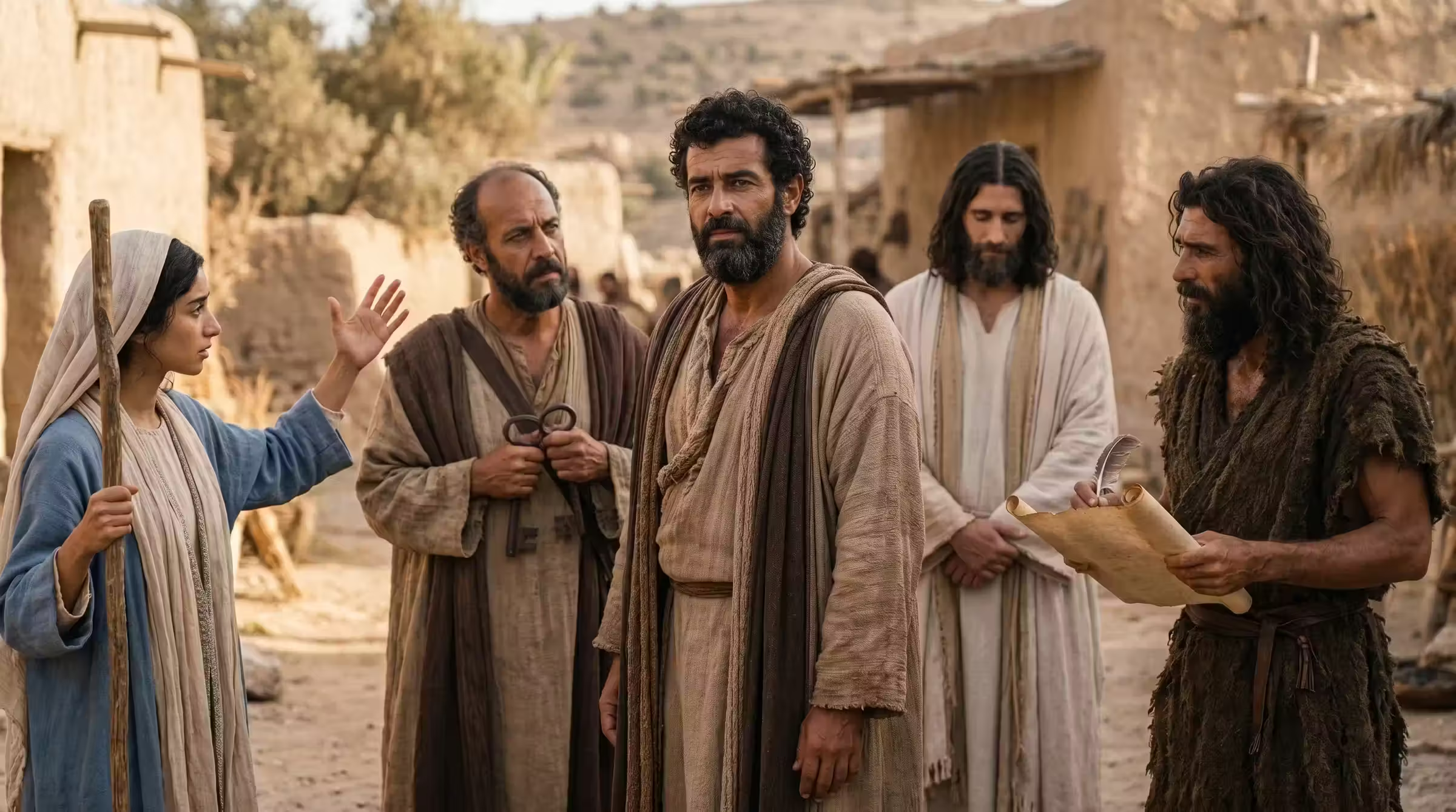
The complete guide to bible characters in the New Testament — from Jesus and the twelve apostles to Paul, Mary Magdalene, and the early church leaders.
People of the Bible
Bible Man Characters: The Greatest Men of Scripture
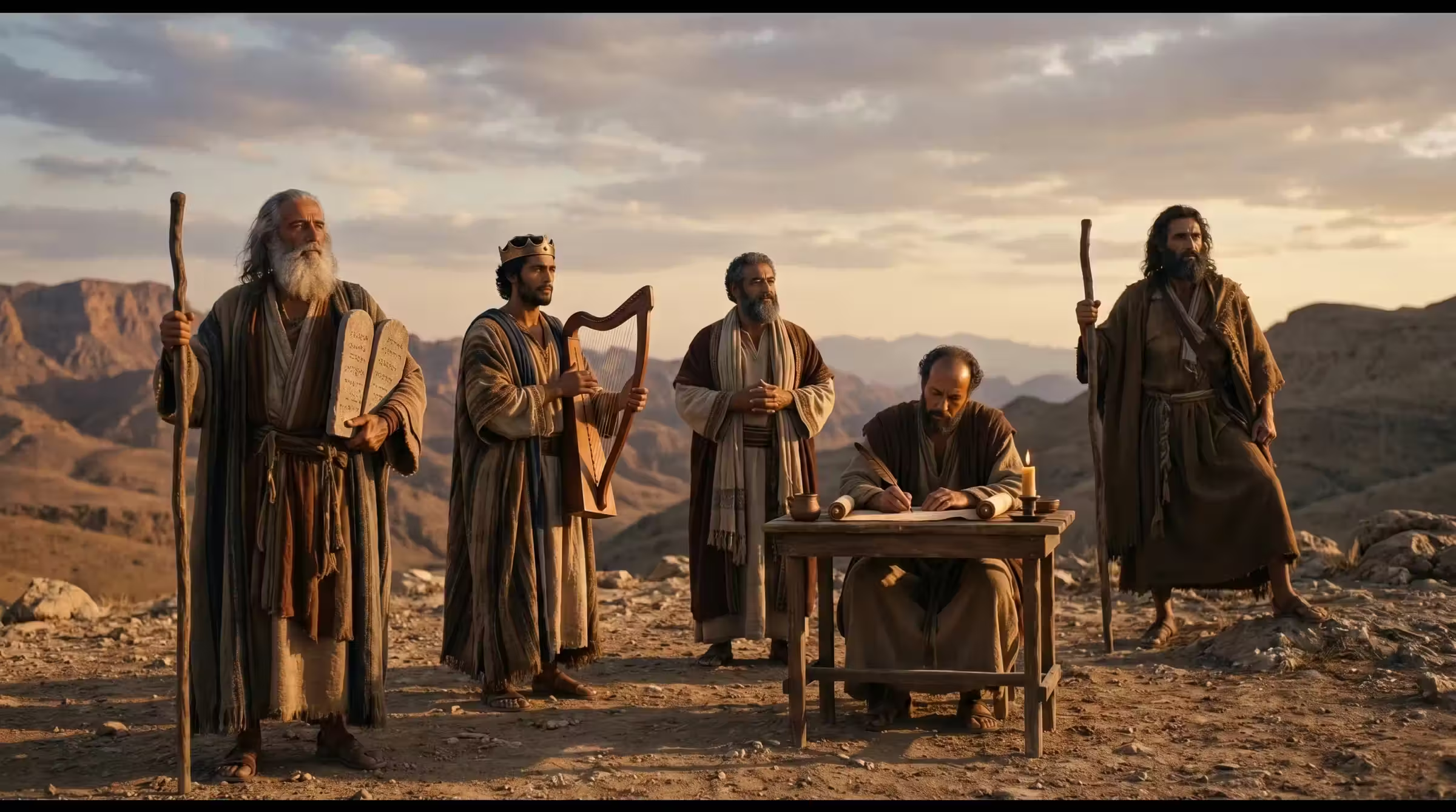
Explore the greatest bible man characters — Noah, Abraham, Moses, David, Elijah, Paul, and more — and what made them remarkable.