Story Lens
Songs in the Dark
- Passage
- Acts 16:25–34
- Book
- Acts
- Theme
- Witness in Suffering
- Place
- Philippi, Macedonia, Greece
- On the story
- Paul's Second Missionary Journey
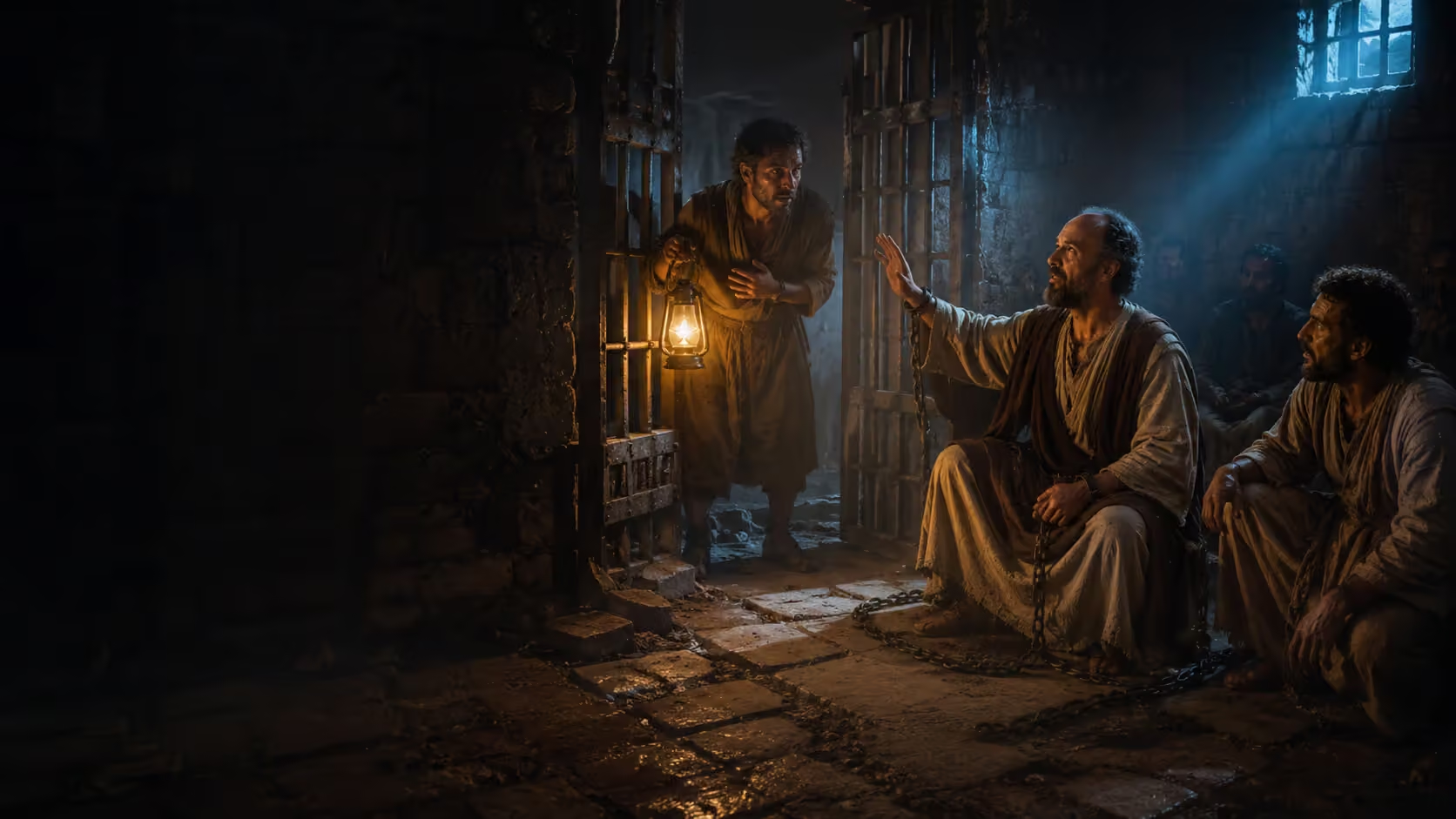
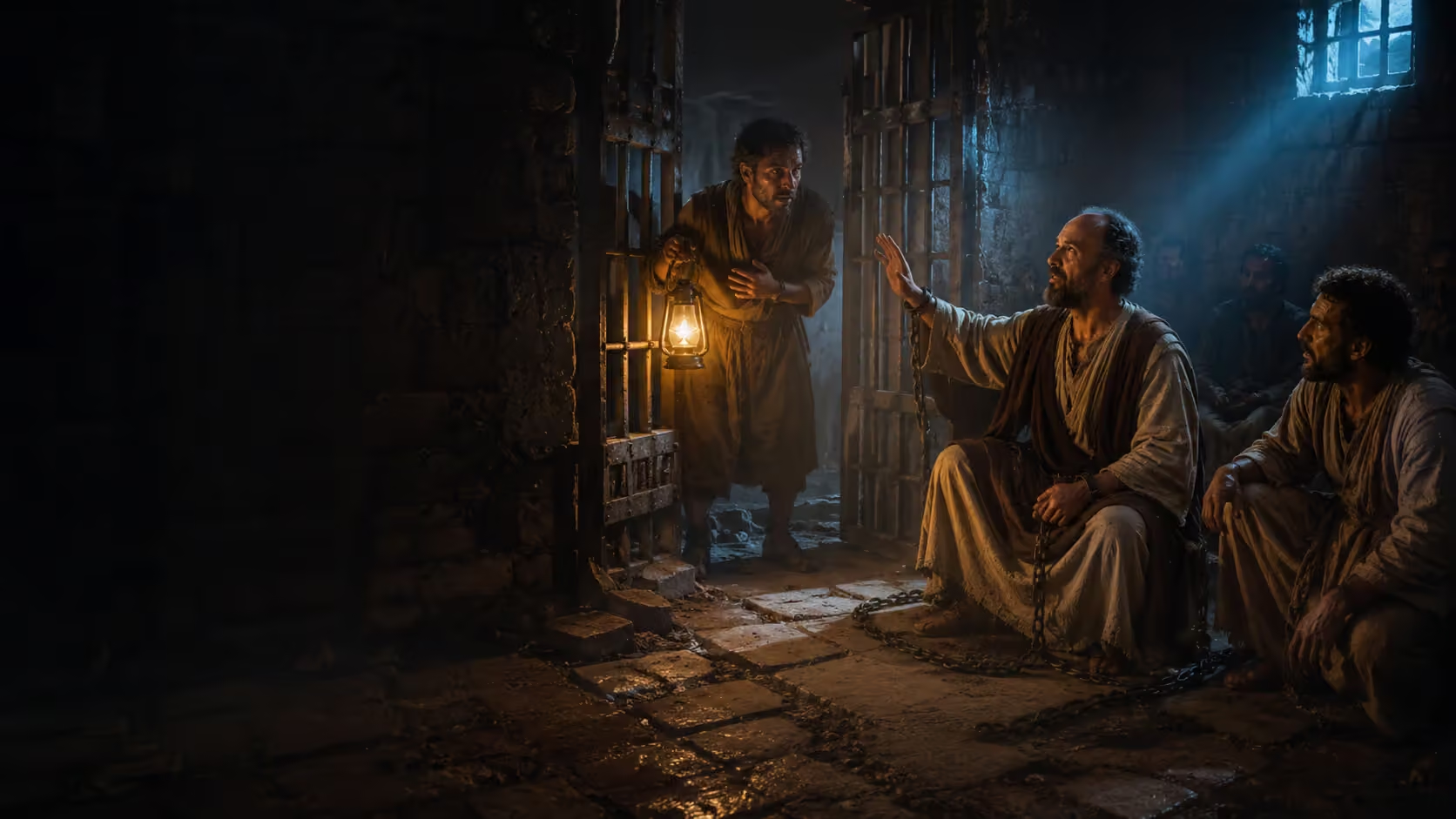
Paul and Silas had not been gently placed into protective custody.
They had been beaten publicly with rods, struck many times, thrown into the inner prison, and secured in stocks.
Their backs were wounded. Their legs were restrained. It was midnight.
And they began to sing.
Luke gives us one small detail that changes the entire scene:
“And the prisoners heard them.”
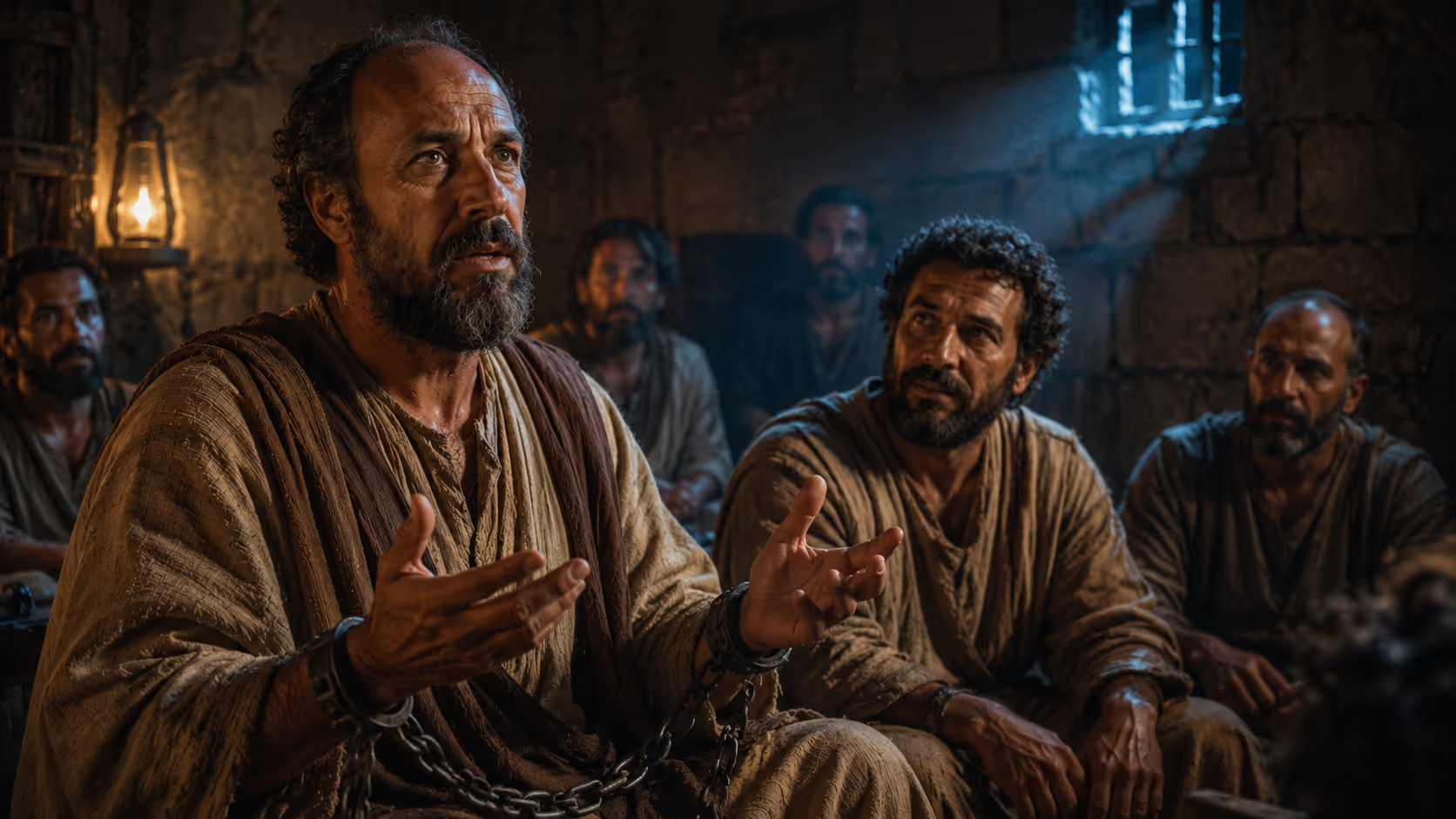
That means this wasn't merely private worship between two suffering missionaries.
There was an audience.
The prisoners were listening
Imagine what those men expected to hear from the newest prisoners.
Groaning.
Cursing.
Complaining.
Maybe desperate pleas to the gods.
Instead, somewhere in the darkness of a Roman prison, two badly beaten men began praying and singing praises to the God who had allowed them to end up there.
Paul had come to Macedonia because of a vision. In Acts 16:9, a man of Macedonia had appeared to him saying:
“Come over into Macedonia, and help us.”
Paul obeyed.
And obedience eventually landed him in a prison cell.
That is important.
The prison was not evidence that Paul had missed God's will.
He was there precisely because he had followed it.
Sometimes obedience to God does not immediately lead away from difficulty.
Sometimes it leads straight through it.
Then the ground moved
Suddenly an earthquake shook the foundations of the prison.
Doors opened.
Chains came loose.
It sounds like the perfect escape.
But something strange happens.
Nobody leaves.
The jailer wakes, sees the doors standing open, and assumes the prisoners are gone.
Under Roman authority, a jailer could face severe punishment for losing prisoners placed under his charge. Believing his life was effectively over, he draws his sword.
Then a voice comes out of the darkness.
Paul shouts:
“Do thyself no harm: for we are all here.”
Think about that.
Paul had just been illegally beaten and imprisoned.
The man responsible for guarding him was now vulnerable.
Paul could have escaped.
He could have remained silent.
Instead, Paul's first concern was the life of the man standing on the other side of the bars.
The prisoner becomes the rescuer
The jailer calls for lights, rushes inside, falls trembling before Paul and Silas, and asks one of the most important questions in Scripture:
“Sirs, what must I do to be saved?”
And Paul's answer is wonderfully simple:
“Believe on the Lord Jesus Christ, and thou shalt be saved.”
No elaborate ritual.
No attempt to earn God's favor.
No list of religious achievements.
Believe in Jesus.
That same night, the jailer who had been guarding Paul's wounds began washing them.
The man keeping prisoners became a servant.
Paul and Silas entered the night bruised and chained.
Before morning, a household had heard the gospel, the jailer and his household had been baptized, and a Roman prison had become the setting for worship, witness, and salvation.
The earthquake wasn't the greatest miracle
It is easy to make the earthquake the centerpiece of Acts 16.
But look closer.
The prison doors opening were not the end of the story.
They were the beginning of an encounter.
God didn't merely free Paul from chains.
He used a chained Paul to reach a man who needed Christ.
That's the deeper lens.
Paul's circumstances said:
Prisoner.
But God's mission still said:
Witness.
Rome could put chains around Paul's wrists.
It could not put chains around the gospel.
And sometimes the place that looks most like an interruption to God's plan becomes the very place where His plan unfolds.