Biblical World Tracker

Ancient Tunnel Discovered Near Kibbutz Ramat Rachel in Jerusalem

Credibility: Claimed

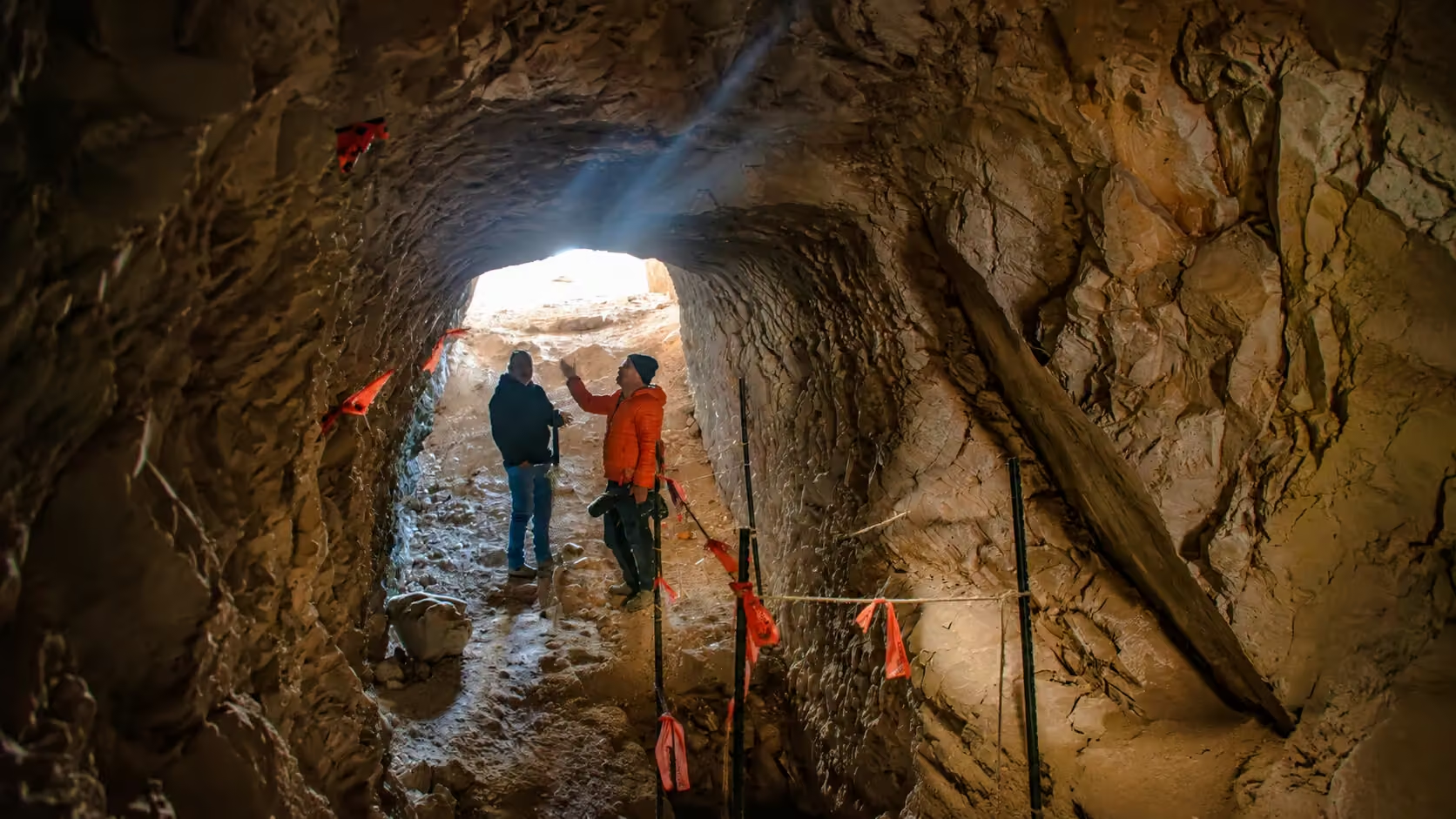
The Israel Antiquities Authority announced the discovery of a 165-foot-long tunnel near Kibbutz Ramat Rachel in Jerusalem. The tunnel, accessed by an ancient staircase, is not a water channel and its purpose remains unknown, with theories suggesting quarrying or lime production. Its significance lies in its potential connection to ancient engineering projects like Hezekiah's tunnel (2 Kings 20:20).

The discovery was announced by the Israel Antiquities Authority and reported by The Times of Israel, a reputable news outlet. The initial assessment is preliminary, with no peer-reviewed publication yet, and the tunnel's date and purpose are still under investigation.

Find
Site
Place
Near Kibbutz Ramat Rachel, Jerusalem, Jerusalem, Israel
Period
Unknown, possibly ancient
Announced
May 2026
The Israel Antiquities Authority recently announced the discovery of an ancient tunnel near Kibbutz Ramat Rachel in Jerusalem.

Discovery and Description

The Israel Antiquities Authority recently announced the discovery of an ancient tunnel near Kibbutz Ramat Rachel in Jerusalem. The tunnel is approximately 165 feet long, up to 16 feet tall, and about 10 feet wide. An ancient staircase descends from the surface to the tunnel entrance.

Purpose Unknown

Experts do not yet know the tunnel's purpose. It was not an ancient water channel, as it lacks plaster and there is no underground water source nearby. Researchers theorize that the tunnel was cut to reach a chalk layer for quarrying building stones or producing lime.

Biblical Connection

Significant tunneling projects like this are known from antiquity, the most famous being Hezekiah's tunnel, which is mentioned in 2 Kings 20:20. However, this tunnel is not identified as that biblical feature, and its date and function remain uncertain.

What Remains Open

The tunnel's date has not been firmly established, and its purpose is still under investigation. Further excavation and analysis may clarify its role in ancient Jerusalem's landscape.

In Scripture

Sources

More from the tracker

All entries
  • Credibility: Confirmed

    Monumental Dam from Time of Biblical Kings Uncovered

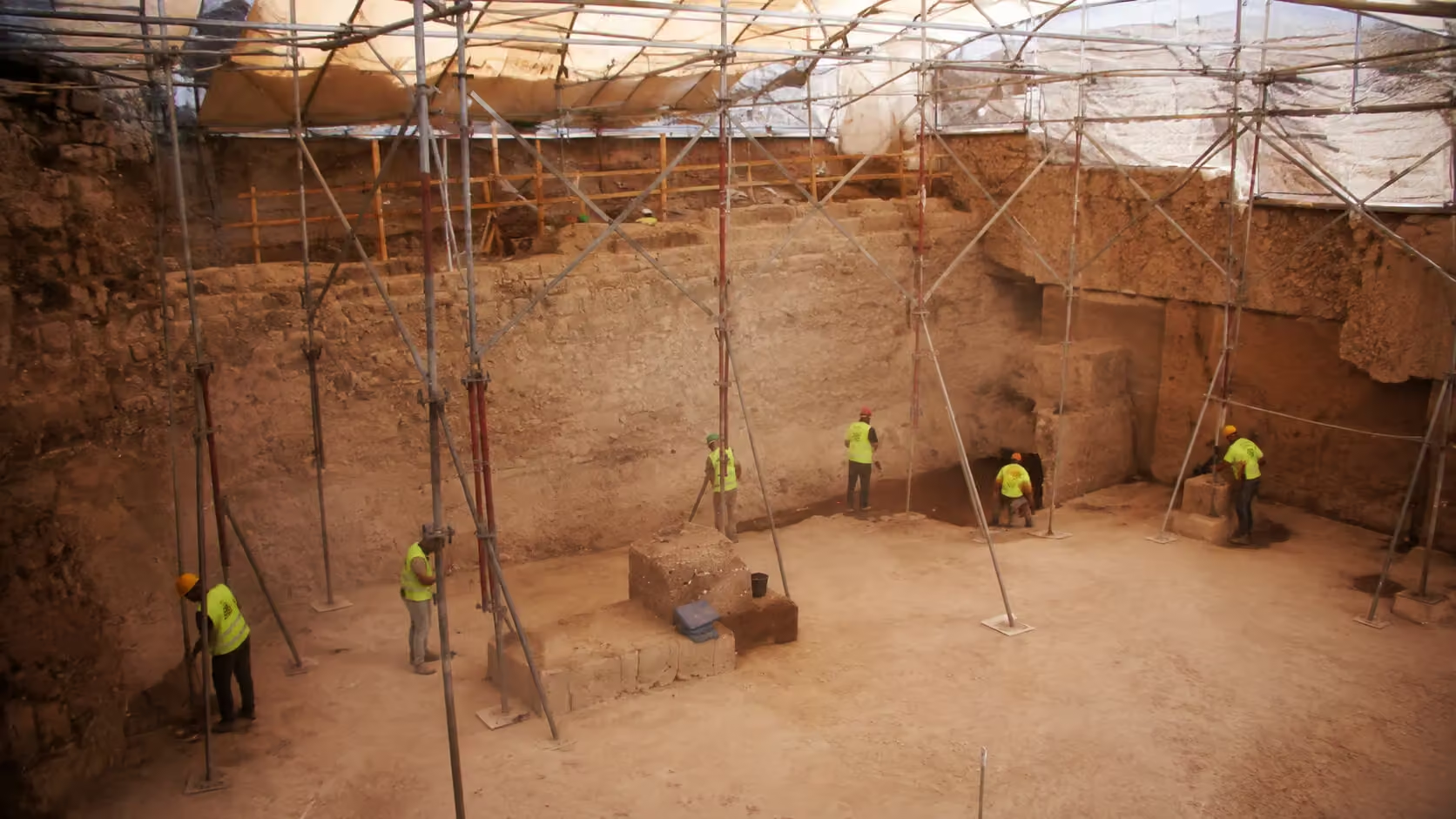
    Archaeologists in Jerusalem have uncovered the largest dam ever constructed in ancient Israel, dating to the late ninth century BCE during the reigns of kings Joash and Amaziah of Judah. The dam, located in the City of David, would have created the Pool of Siloam and reshaped the city's water system.

    City of David Archaeological Park, Jerusalemlate ninth century BCE (Iron Age II)Site
  • Credibility: Contested

    Inscription Links Sergius Paulus to Pisidian Antioch, Shedding Light on Paul's Route

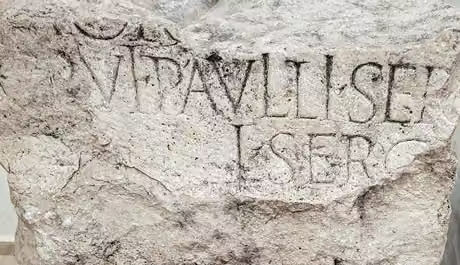
    An honorific inscription in the Yalvaç Museum (ancient Pisidian Antioch) mentions the Paulli family and L. Sergius Paulus, likely the proconsul of Cyprus who converted in Acts 13. This supports the idea that Paul and Barnabas traveled to Pisidian Antioch because of a connection with Sergius Paulus, possibly with a letter of recommendation. The find helps explain Paul's otherwise puzzling detour through rugged mountains.

    Yalvaç Museum (ancient Pisidian Antioch)1st century AD (Roman period)Inscription

  • Credibility: Confirmed

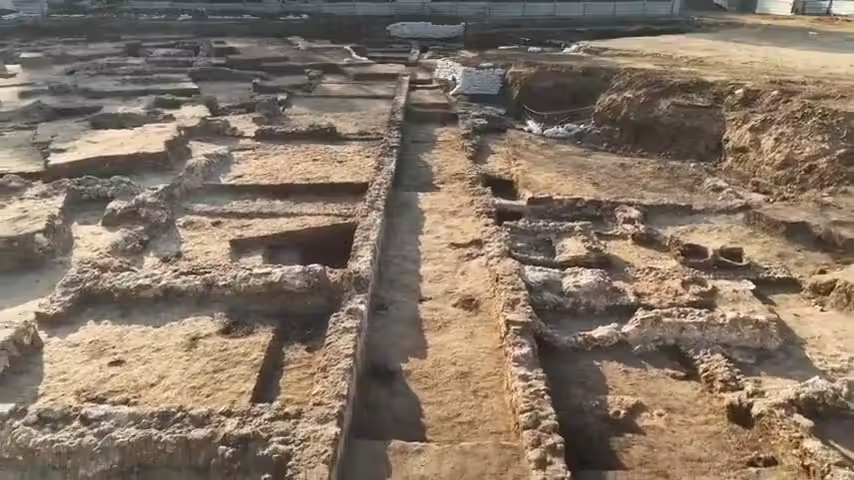
    1,300-year-old industrial hub uncovered during bus terminal construction in Ramat Gan

    A salvage excavation conducted before construction of a new bus terminal uncovered a planned industrial and commercial district beneath the parking lot of Winter Stadium in Ramat Gan. The complex contained intersecting streets, shops, warehouses, pottery kilns, liquid-production installations, lamps, coins, tools, and other objects. It operated mainly during the early Islamic period and was later reused for housing.

    Jaffa—biblical Joppa—with Jerusalem7th - 9th Centuries ADSite

A brass compass and pocket watch resting on aged paper

Stay informed. Stay encouraged.

Join the Ark Life Newsletter

Weekly studies, news, and encouragement—straight to your inbox.