Biblical World Tracker

Monumental Dam from Time of Biblical Kings Uncovered

Credibility: Confirmed

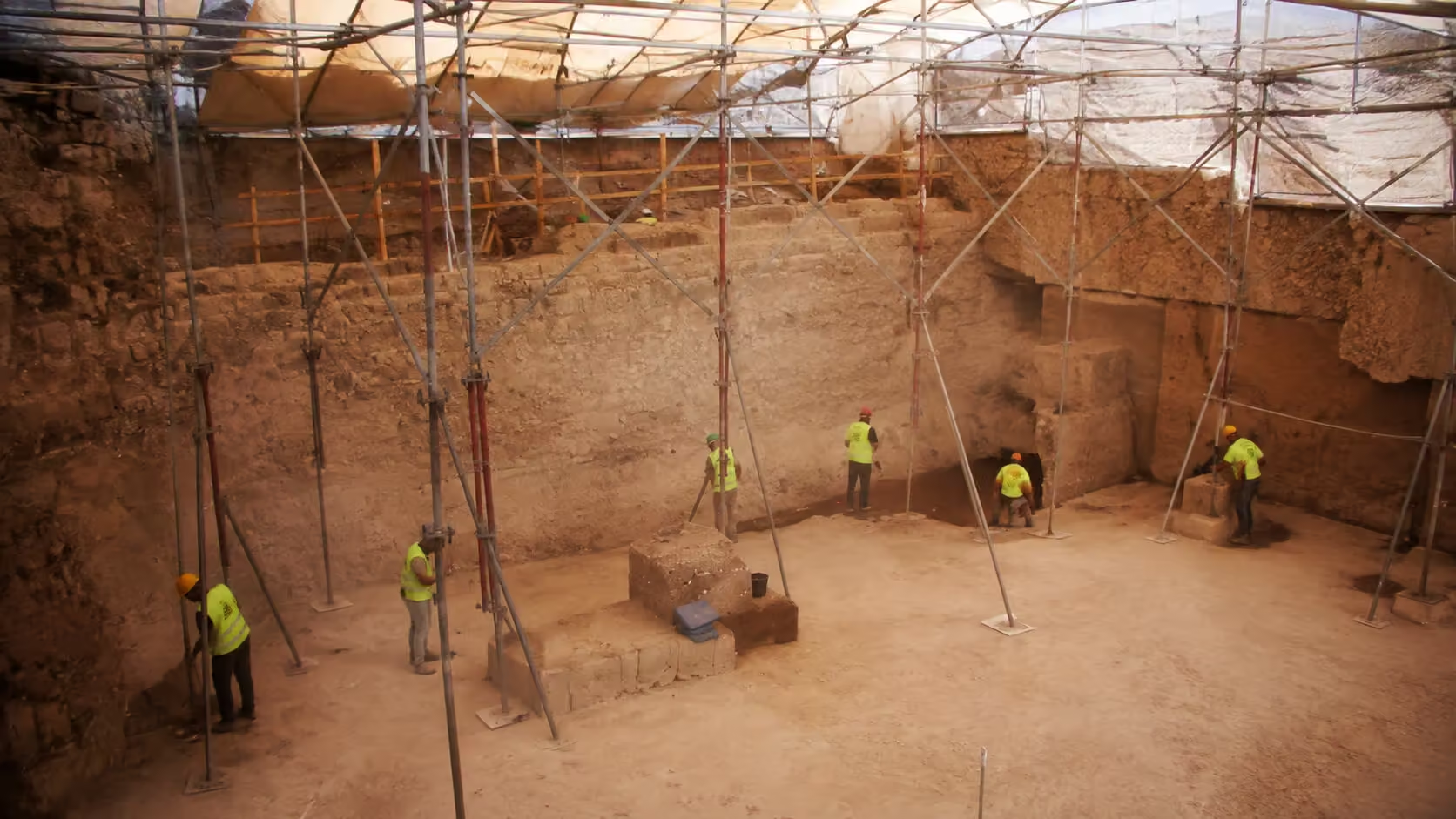
Archaeologists in Jerusalem have uncovered the largest dam ever constructed in ancient Israel, dating to the late ninth century BCE during the reigns of kings Joash and Amaziah of Judah. The dam, located in the City of David, would have created the Pool of Siloam and reshaped the city's water system.

The discovery was announced by the Israel Antiquities Authority and published in the peer-reviewed journal Proceedings of the National Academy of Sciences. While some scholars, like Chris McKinny, question whether the Spring Tower and Siloam Channel were originally built in the Middle Bronze Age, the dam's dating is widely accepted.

Find
Site
Place
City of David Archaeological Park, Jerusalem, Judea, Israel
Period
late ninth century BCE (Iron Age II)
Announced
August 2026

Discovery and Significance

Archaeologists with the Israel Antiquities Authority uncovered a massive dam during excavations at the proposed site of the Siloam Pool in the City of David Archaeological Park. The dam is about 40 feet high, over 26 feet wide, and extends at least 69 feet, making it the largest dam ever found in ancient Israel.

Dating and Purpose

Using high-precision radiocarbon dating, scientists from the Weizmann Institute dated the dam's construction to the late ninth century BCE, during the reigns of biblical kings Joash and Amaziah. The dam likely served to mitigate water shortages and flash floods, creating an artificial reservoir that became the Pool of Siloam.

Biblical Connection

The dam is part of Jerusalem's Iron Age II water system, which included the Spring Tower, Hezekiah's Tunnel, and the Siloam Channel. Its dating may challenge views about when these other structures were built, potentially linking them to a single monumental project.

In Scripture

Sources

More from the tracker

All entries
  • Credibility: Contested

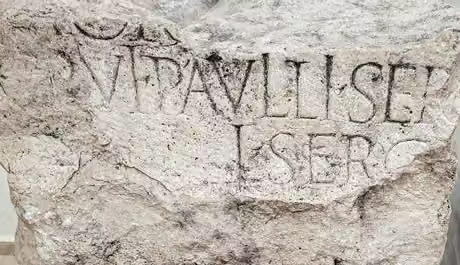
    Inscription Links Sergius Paulus to Pisidian Antioch, Shedding Light on Paul's Route

    An honorific inscription in the Yalvaç Museum (ancient Pisidian Antioch) mentions the Paulli family and L. Sergius Paulus, likely the proconsul of Cyprus who converted in Acts 13. This supports the idea that Paul and Barnabas traveled to Pisidian Antioch because of a connection with Sergius Paulus, possibly with a letter of recommendation. The find helps explain Paul's otherwise puzzling detour through rugged mountains.

    Yalvaç Museum (ancient Pisidian Antioch)1st century AD (Roman period)Inscription
  • Credibility: Confirmed

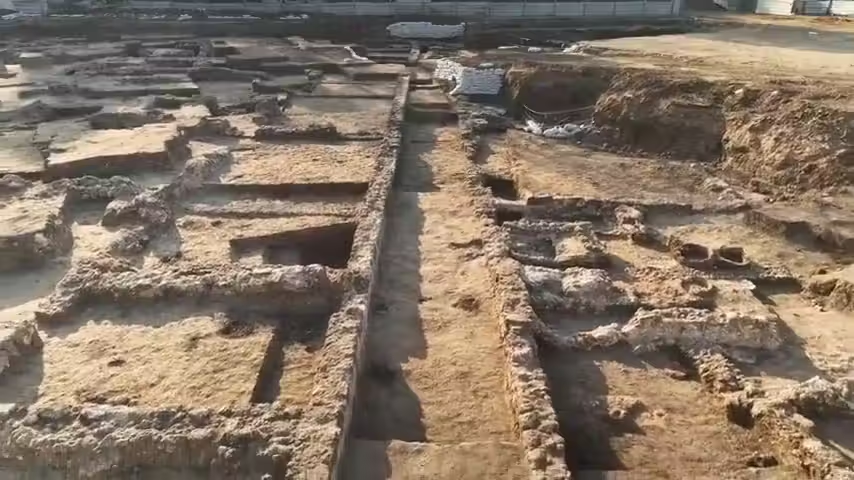
    1,300-year-old industrial hub uncovered during bus terminal construction in Ramat Gan

    A salvage excavation conducted before construction of a new bus terminal uncovered a planned industrial and commercial district beneath the parking lot of Winter Stadium in Ramat Gan. The complex contained intersecting streets, shops, warehouses, pottery kilns, liquid-production installations, lamps, coins, tools, and other objects. It operated mainly during the early Islamic period and was later reused for housing.

    Jaffa—biblical Joppa—with Jerusalem7th - 9th Centuries ADSite

  • Credibility: Confirmed

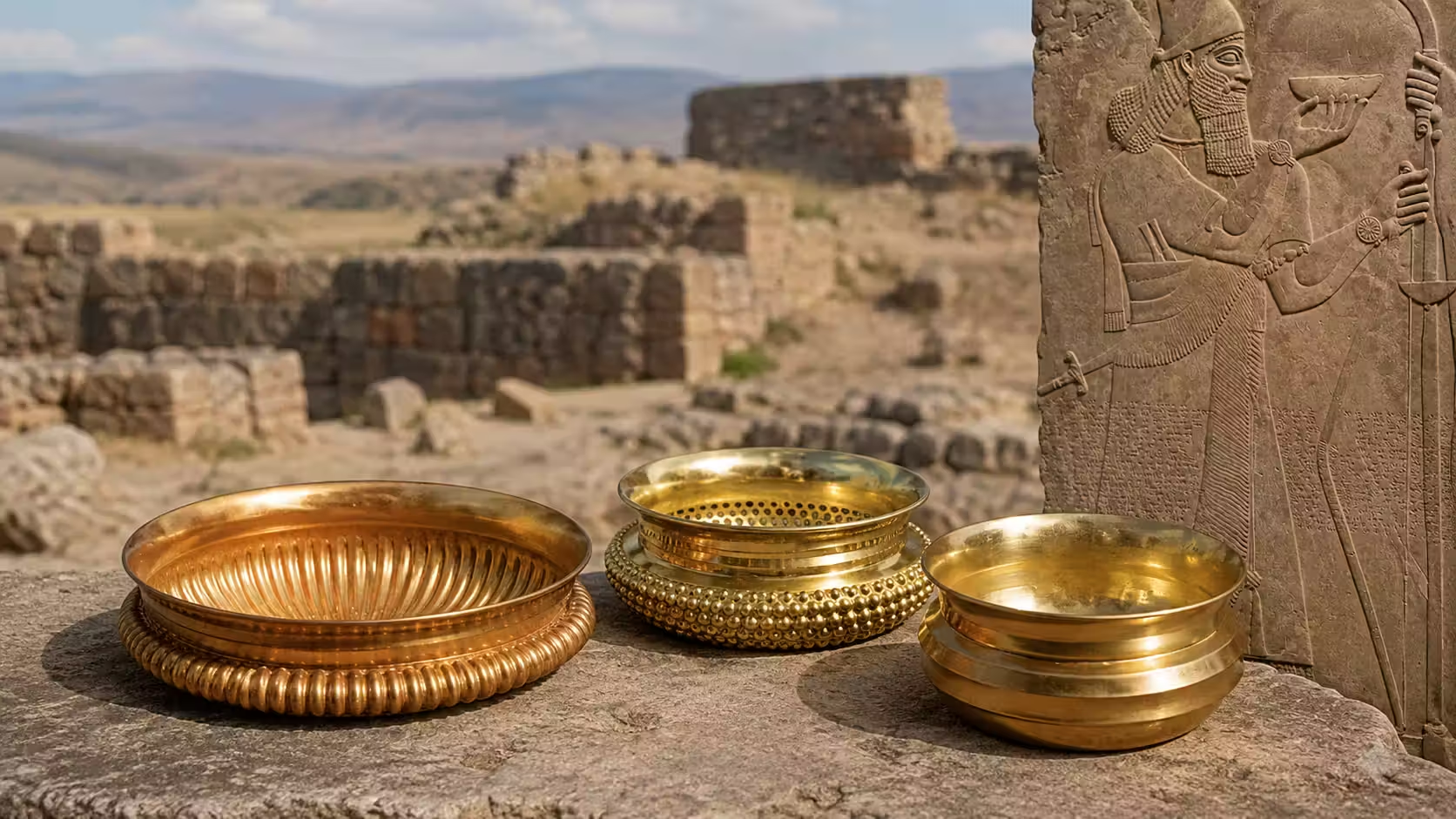
    Urartu’s Inscribed Bronze Bowls

    A new study of over 100 inscribed bronze bowls from the ancient kingdom of Urartu (biblical Ararat) reveals how Urartian cuneiform evolved and how royal authority was expressed. The bowls, now in museums across Armenia and Russia, show a gradual standardization of script and provide indirect evidence for royal workshops. The study offers fresh insights into a civilization that left few written records.

    Urartu (biblical Ararat), various museum collectionsninth–seventh centuries BCEArtifact

A brass compass and pocket watch resting on aged paper

Stay informed. Stay encouraged.

Join the Ark Life Newsletter

Weekly studies, news, and encouragement—straight to your inbox.