Discovery and Context
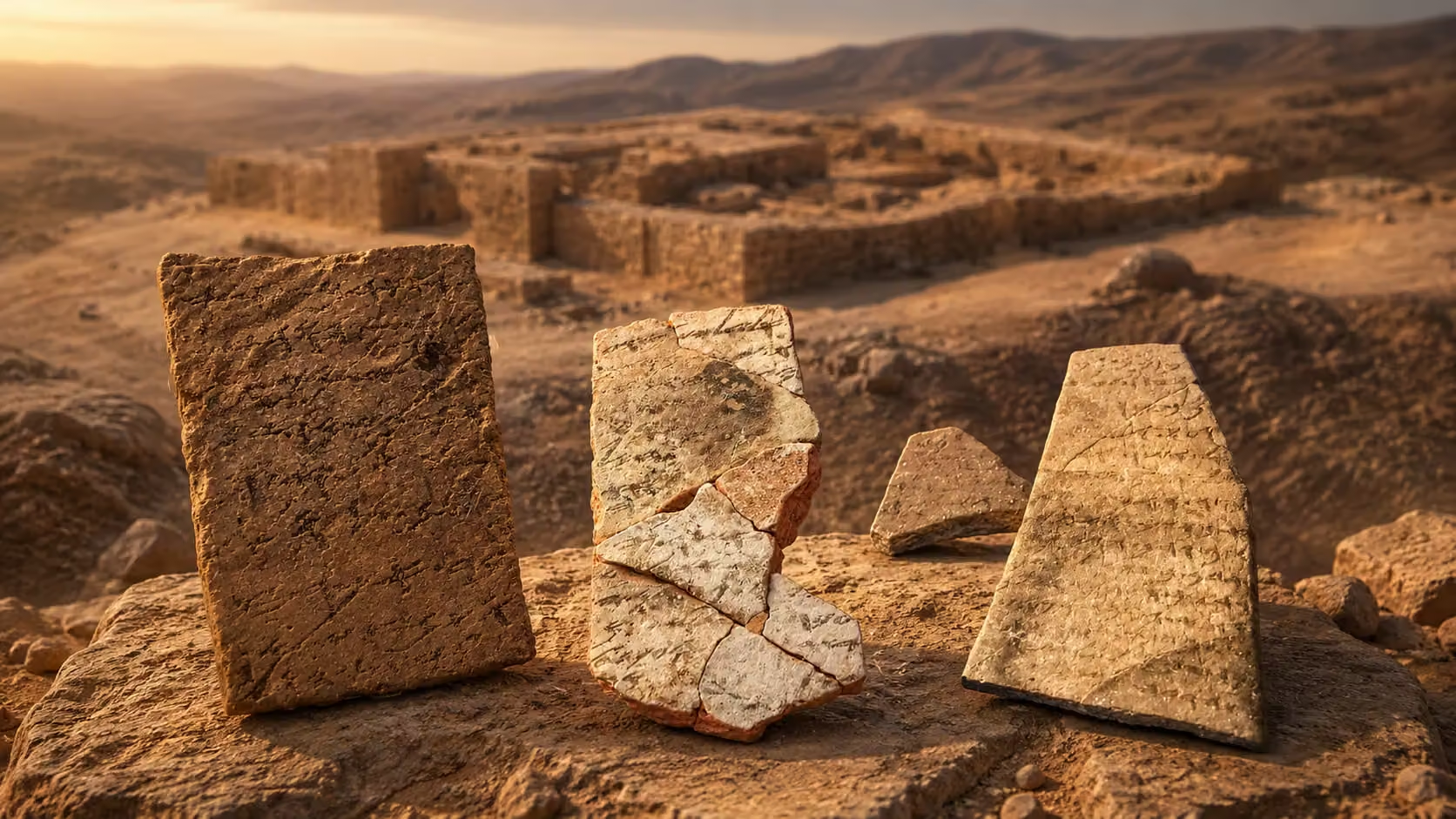
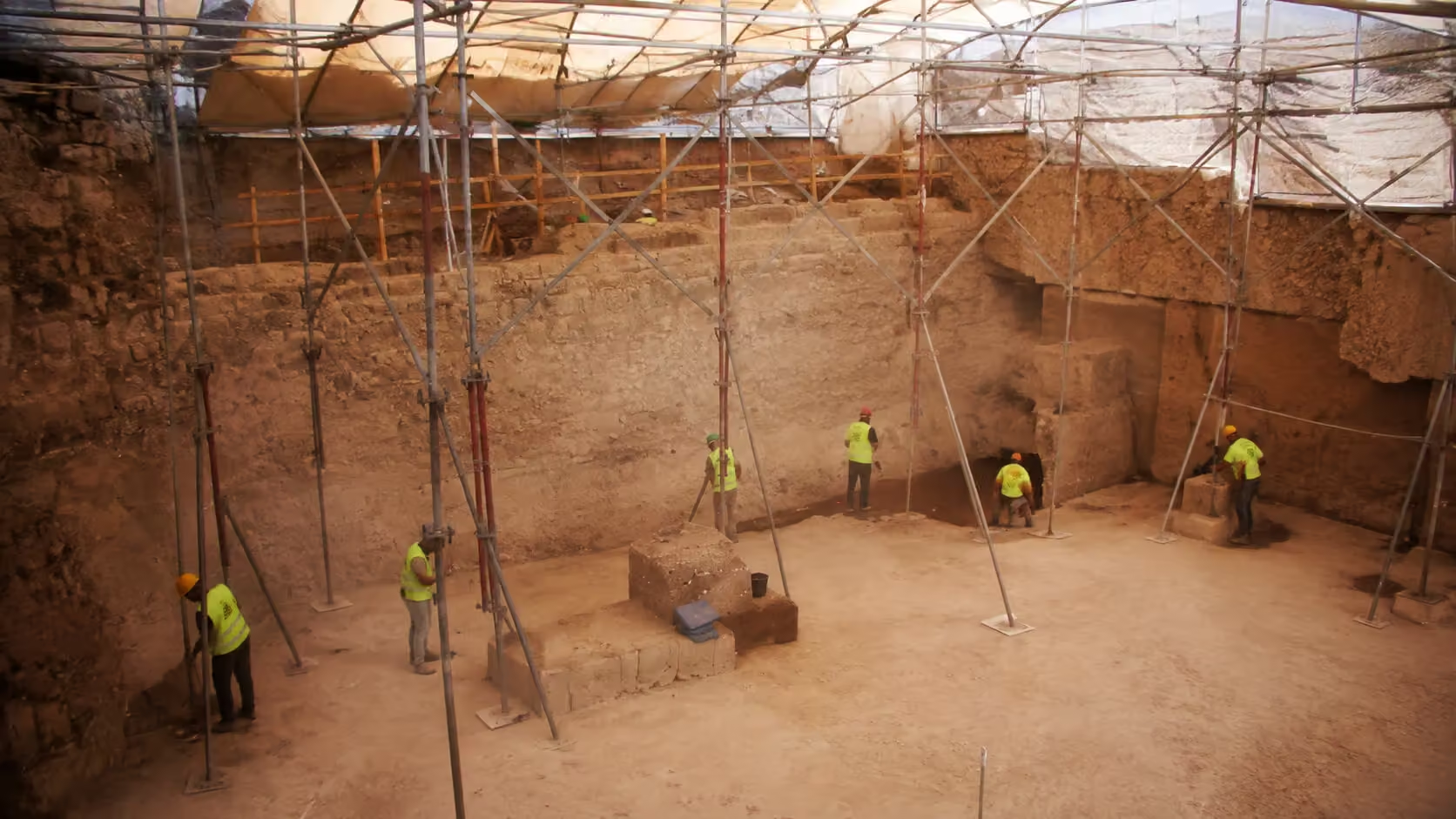
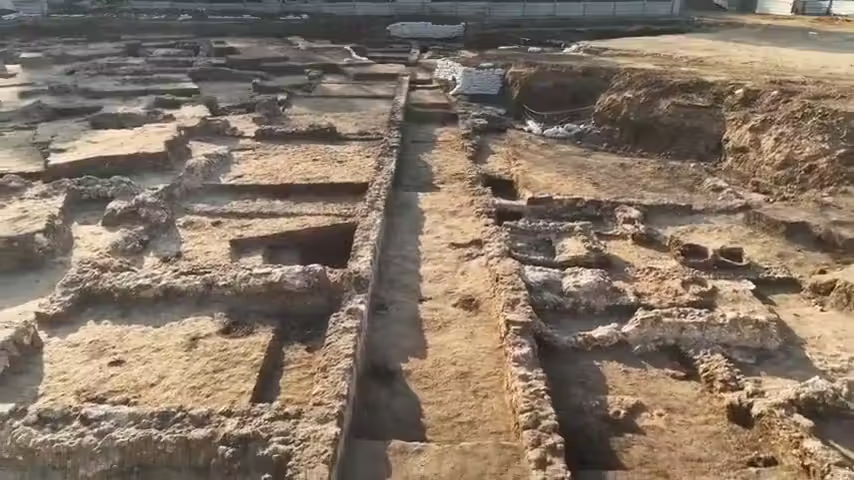
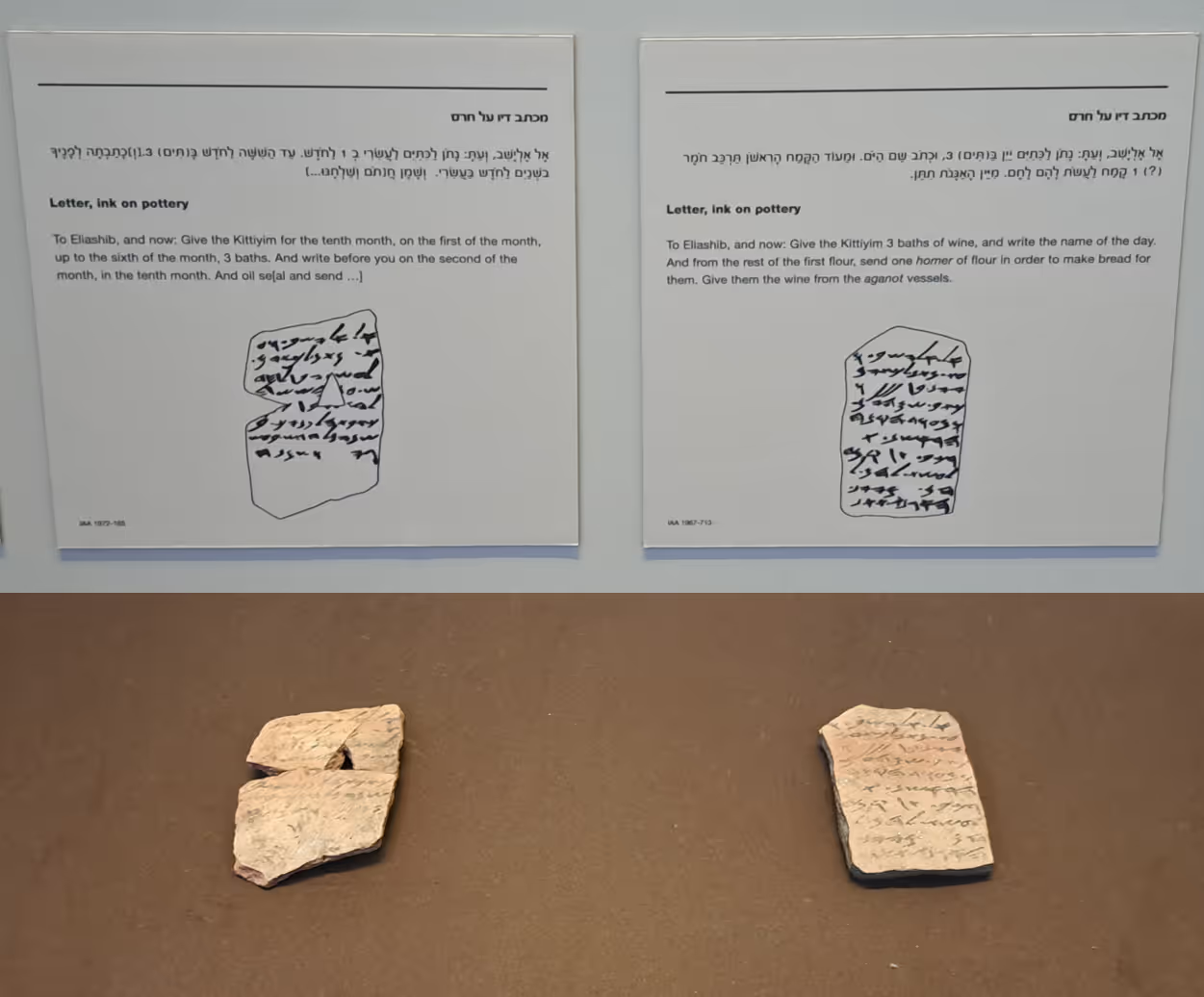
The Arad Ostraca were discovered in 1965 during excavations at Tel Arad, an Iron Age fortress in the Negev Desert, about 19 miles east of Beersheba. The site was excavated over 18 seasons between 1962 and 1984. The ostraca were found in a room of the southern casemate wall, beneath a burn layer associated with the Babylonian destruction, and are dated to around 600 BC.
Content and Significance
Most of the ostraca are short administrative texts detailing deliveries of wine, flour, oil, and military provisions. They are addressed to Eliashib, likely the quartermaster of the fortress. One ostracon (no. 18) mentions the 'House of Yahweh,' which most scholars interpret as a reference to the Jerusalem Temple, providing extra-biblical testimony to its existence. Another ostracon (no. 24) concerns the movement of troops to counter the Edomite threat, aligning with biblical references to Edom's hostility (Psalm 137:7).
Literacy in Judah
A 2021 study published in Near Eastern Archaeology used algorithmic and forensic analysis of the handwriting to identify at least 12 different authors among the ostraca, three of whom were stationed at the small fortress. The authors concluded that this indicates a significant proliferation of literacy among the Judahite army ranks around 600 BC, which aligns with biblical descriptions of people reading and writing (e.g., Isaiah 8:1, Jeremiah 32:10, Habakkuk 2:2, 2 Kings 23:2).
What It Does and Does Not Show
The ostraca demonstrate that Yahweh worship was practiced in Judah before the exile and provide evidence of administrative and military organization. However, they do not directly confirm specific biblical events; rather, they illuminate the historical and cultural context of the late First Temple period. The reference to the 'House of Yahweh' is significant, but it is not a direct proof of the Temple's existence, as it could theoretically refer to another sanctuary, though most scholars accept the Jerusalem Temple interpretation.