Biblical World Tracker

What the ground has given up

Inscriptions, excavations, manuscripts and the quiet re-readings of old finds. Every entry says plainly how solid the claim is — because a discovery that turns out to be nothing is still worth knowing about, and pretending otherwise is how trust gets spent.

10 entries

  • Credibility: Confirmed

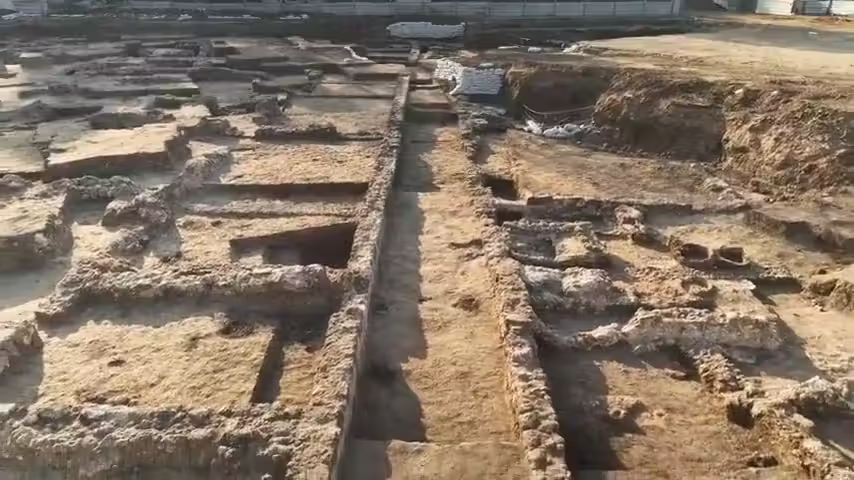
    1,300-year-old industrial hub uncovered during bus terminal construction in Ramat Gan

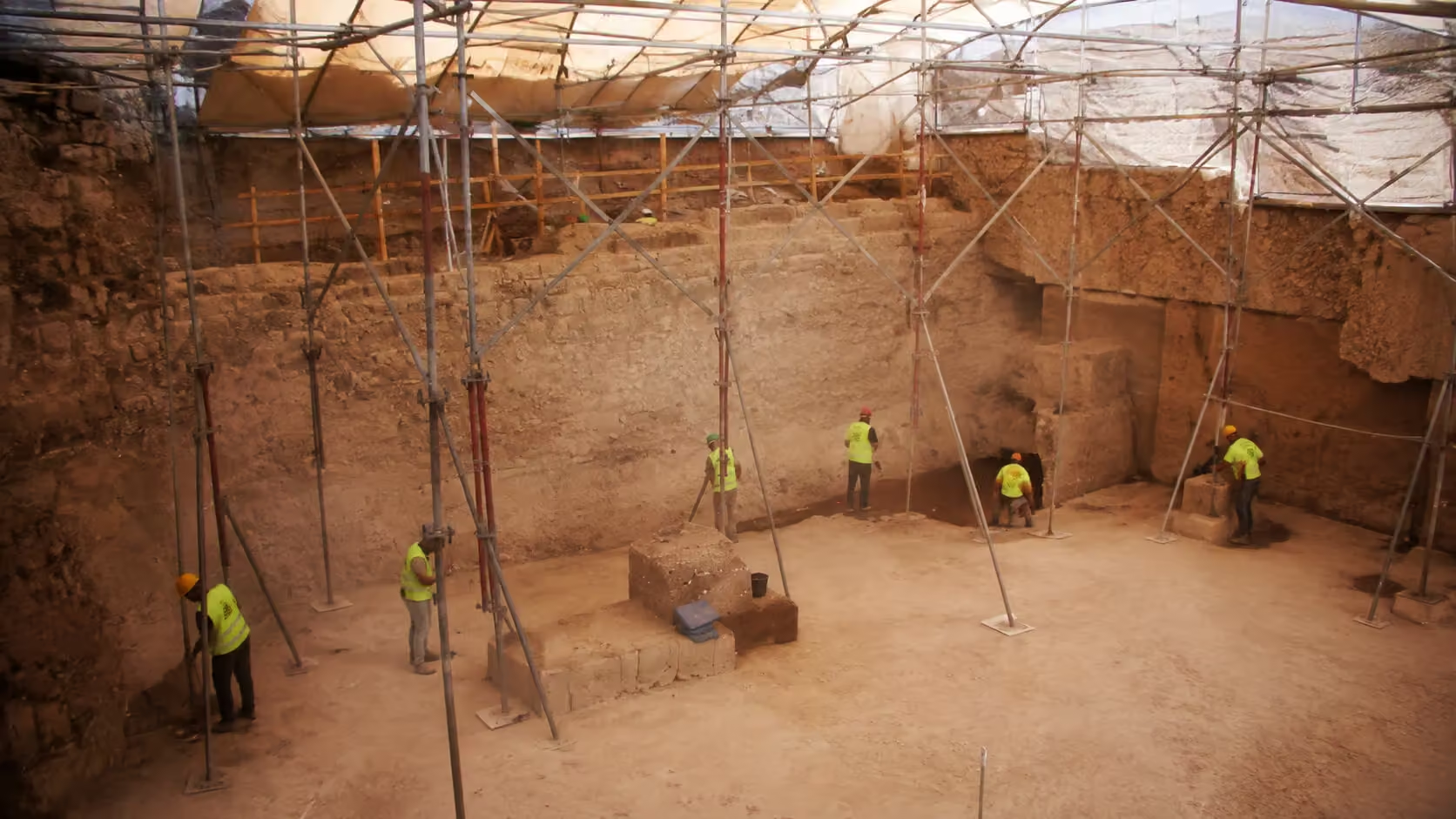
    A salvage excavation conducted before construction of a new bus terminal uncovered a planned industrial and commercial district beneath the parking lot of Winter Stadium in Ramat Gan. The complex contained intersecting streets, shops, warehouses, pottery kilns, liquid-production installations, lamps, coins, tools, and other objects. It operated mainly during the early Islamic period and was later reused for housing.

    Jaffa—biblical Joppa—with Jerusalem7th - 9th Centuries ADSite

  • Credibility: Confirmed

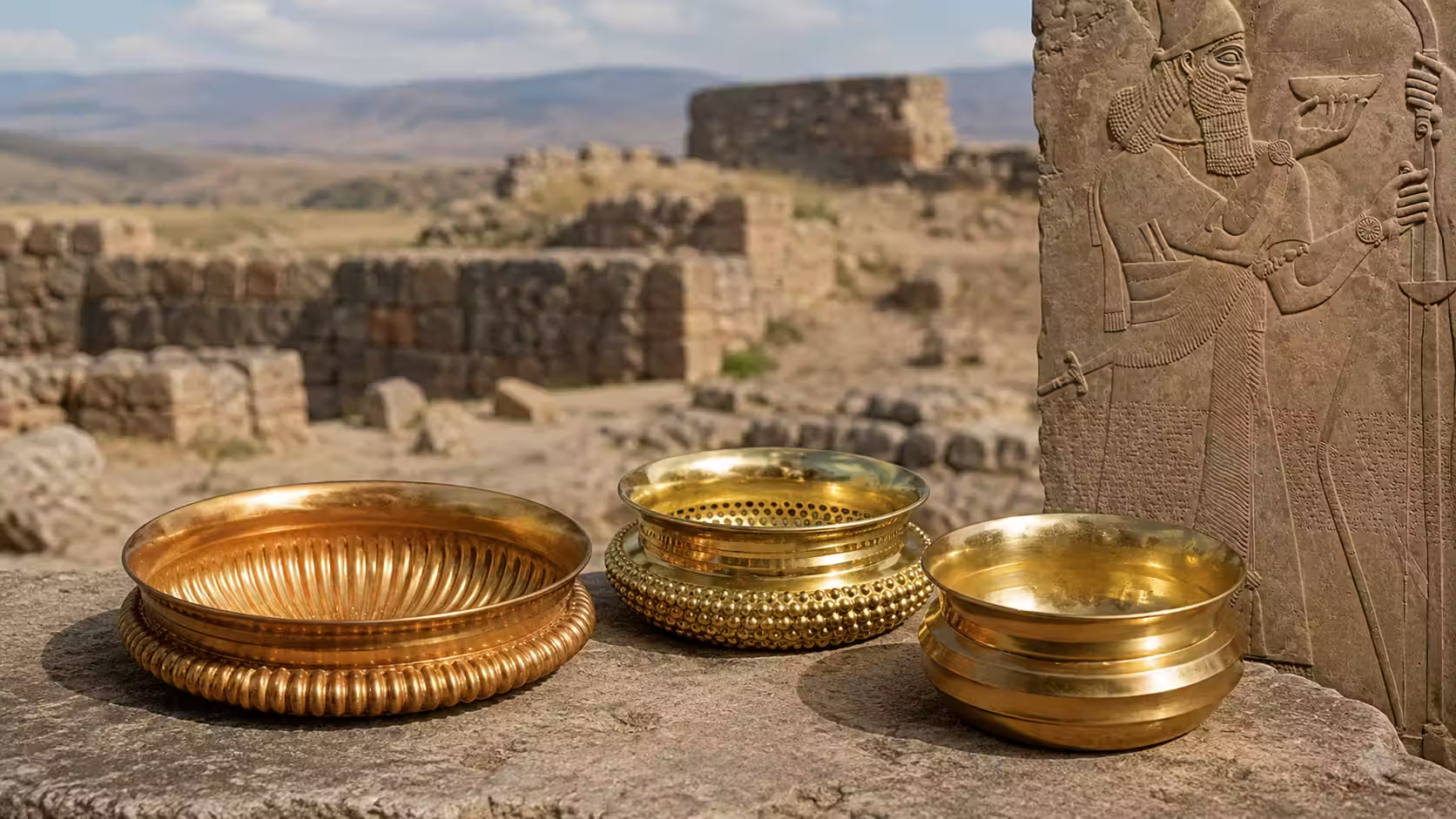
    Urartu’s Inscribed Bronze Bowls

    A new study of over 100 inscribed bronze bowls from the ancient kingdom of Urartu (biblical Ararat) reveals how Urartian cuneiform evolved and how royal authority was expressed. The bowls, now in museums across Armenia and Russia, show a gradual standardization of script and provide indirect evidence for royal workshops. The study offers fresh insights into a civilization that left few written records.

    Urartu (biblical Ararat), various museum collectionsninth–seventh centuries BCEArtifact

  • Credibility: Confirmed

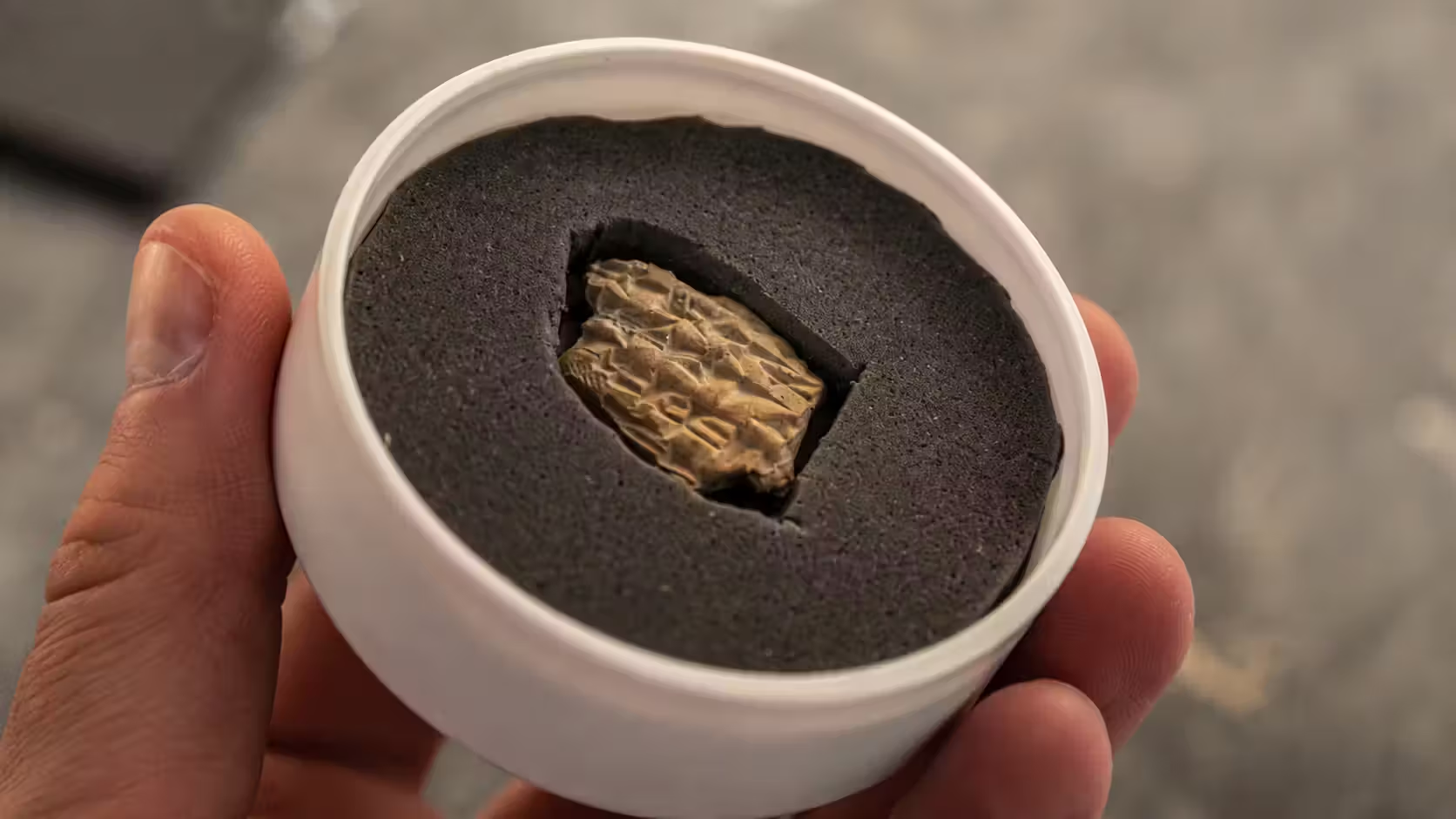
    First Assyrian Inscription Found in Jerusalem

    A fragment of clay barely 2.5 centimetres across, found while wet-sifting soil from the Ophel excavation in Jerusalem, carries cuneiform writing in Akkadian - the first Assyrian inscription ever recovered in the city. What survives of the text is a demand: tribute owed to the Assyrian court, to be paid by the first of the month of Av. It is a scrap of the machinery behind the years when Judah paid Assyria to be left alone.

    The Ophel, Jerusalem8th-7th century BCInscription

  • Credibility: Confirmed

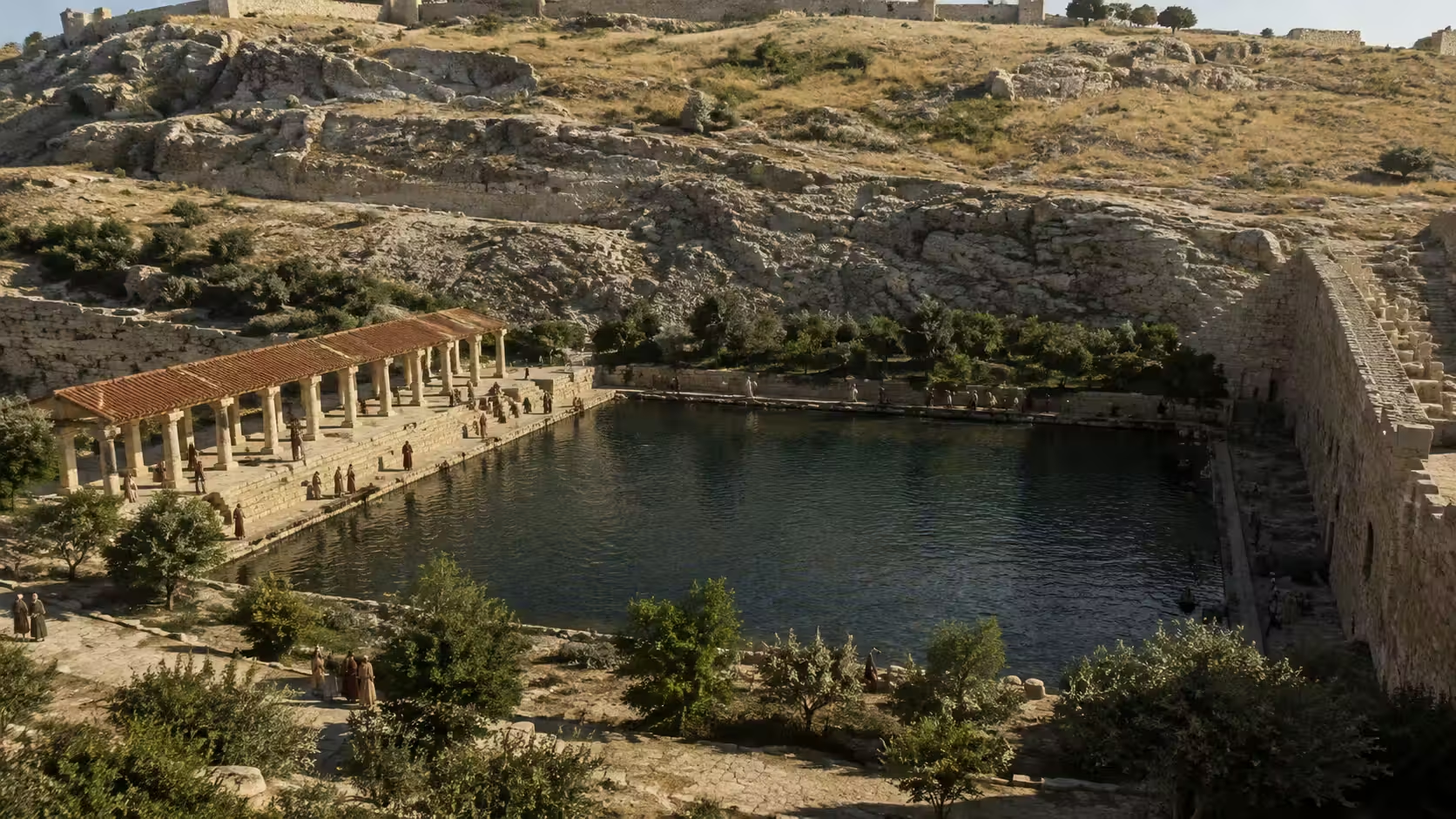
    The Pool of Siloam Opened for Full Excavation

    On 27 December 2022 the Israel Antiquities Authority, the Israel National Parks Authority and the City of David Foundation announced that the Pool of Siloam would be excavated in full and eventually opened to visitors. Only a corner of it has ever been exposed - a flight of steps found by accident in 2004 during sewer repairs. It is the pool John names in the account of the man born blind.

    City of David, SilwanFirst Temple foundation, Second Temple expansionSite

  • Credibility: Confirmed

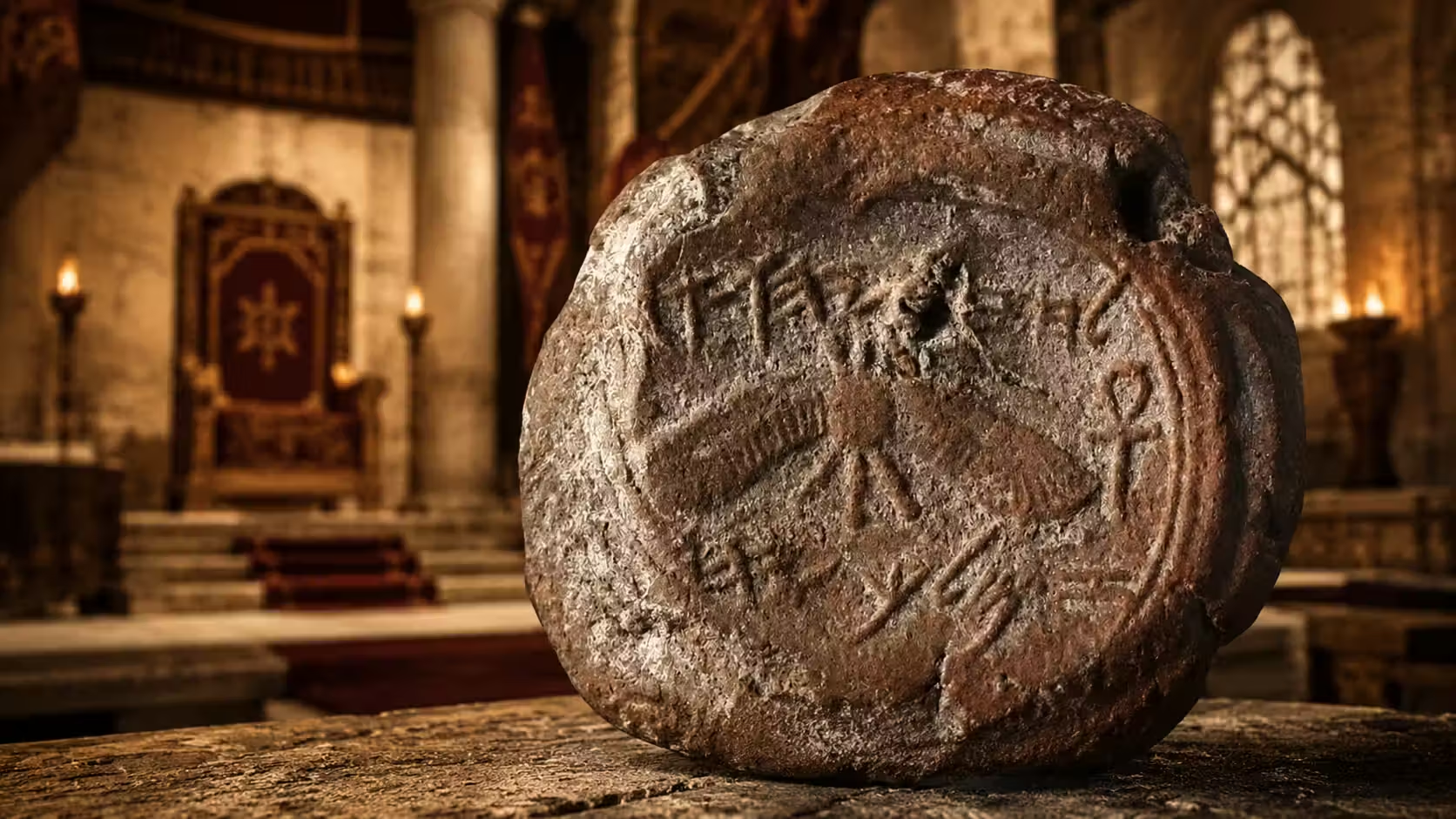
    The Royal Seal Impression of King Hezekiah

    A clay bulla the size of a fingernail, stamped with the words 'Belonging to Hezekiah son of Ahaz king of Judah' in old Hebrew script. It was dug up in the Ophel in 2009 and sat unrecognised in the finds for six years until the inscription was read in 2015. It is the first seal impression of an Israelite or Judean king ever recovered from a scientific excavation rather than the antiquities trade.

    The Ophel, Jerusalemlate 8th century BCArtifact

  • Credibility: Confirmed

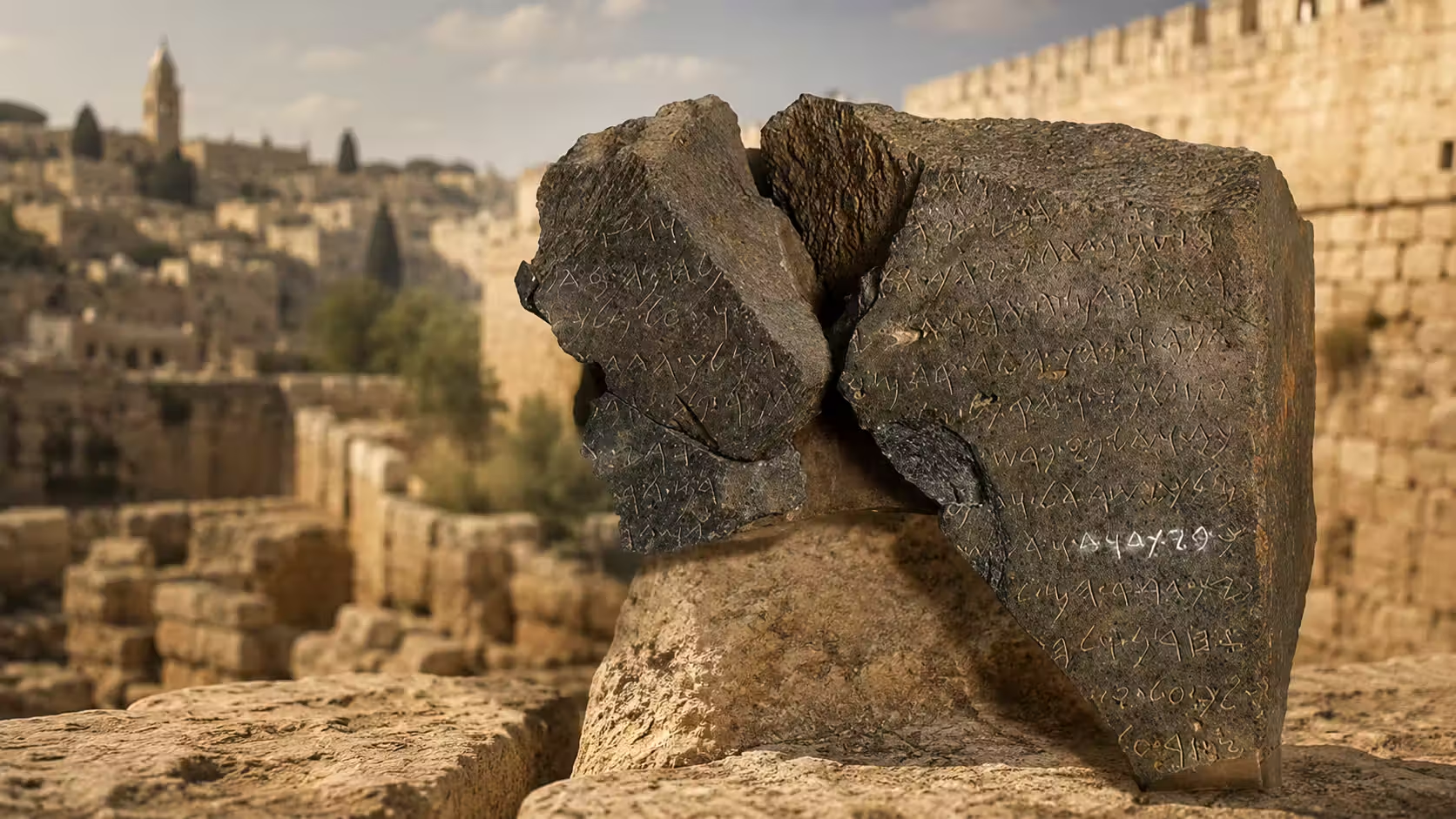
    Tel Dan Stele

    A 9th-century BCE Aramaic victory inscription fragment unearthed at Tel Dan in northern Israel. It contains the earliest known extra-biblical reference to the 'House of David' (בית דוד), confirming King David's dynasty as a historical entity recognized by neighboring kingdoms within roughly 150 years of his reign.

    Tel Dan, Israelc. 840 BCEInscription

  • Credibility: Confirmed

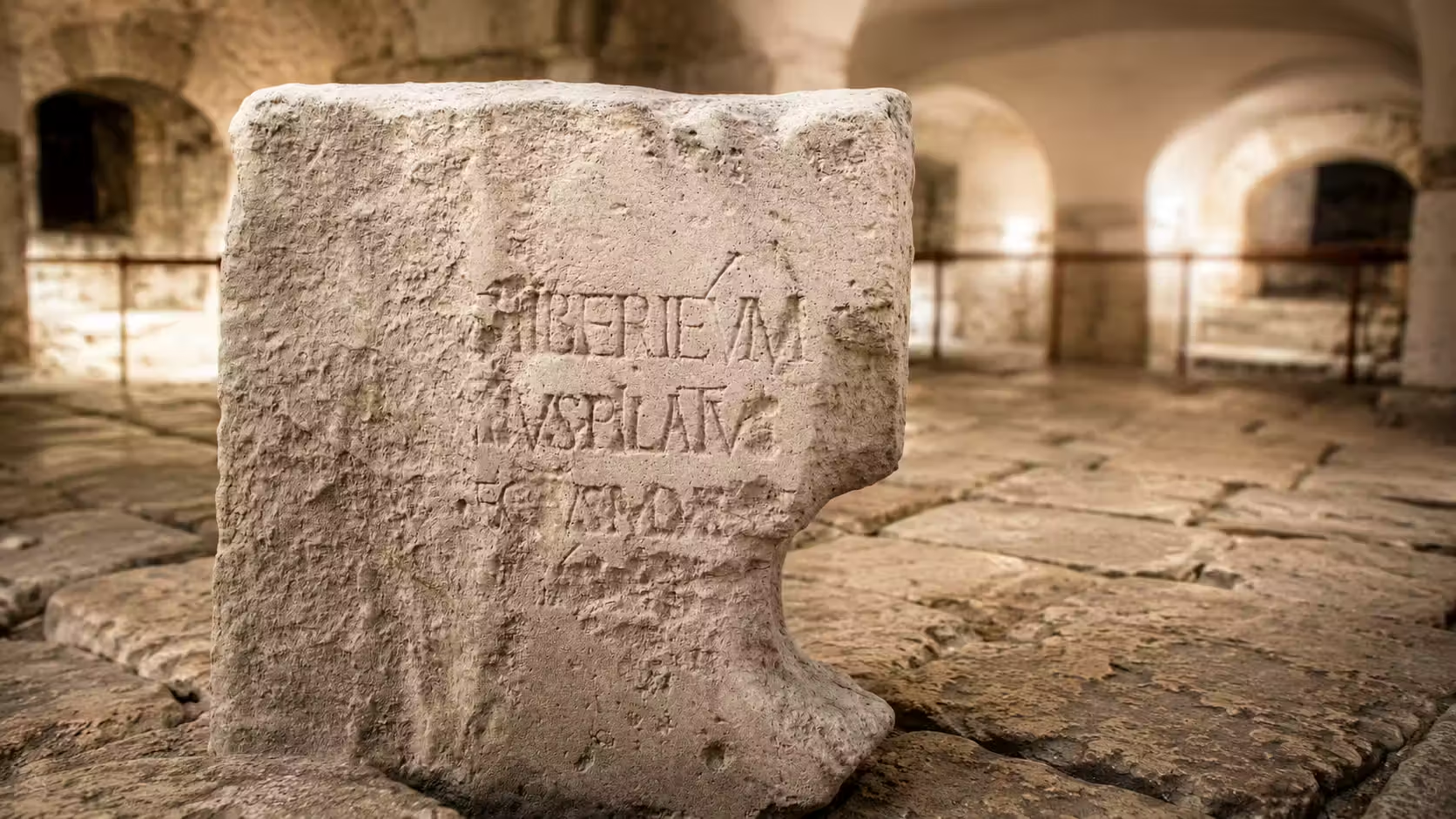
    The Pilate Stone

    A damaged block of limestone, reused as a stair landing in the Roman theatre at Caesarea, carrying a Latin dedication in which the surviving letters read Pontius Pilatus and prefect of Judaea. Found in 1961, it remains the only inscription naming Pilate ever recovered - and it settles his title, which the gospels and Tacitus give differently.

    Caesarea MaritimaAD 26-36Inscription

  • Credibility: Confirmed

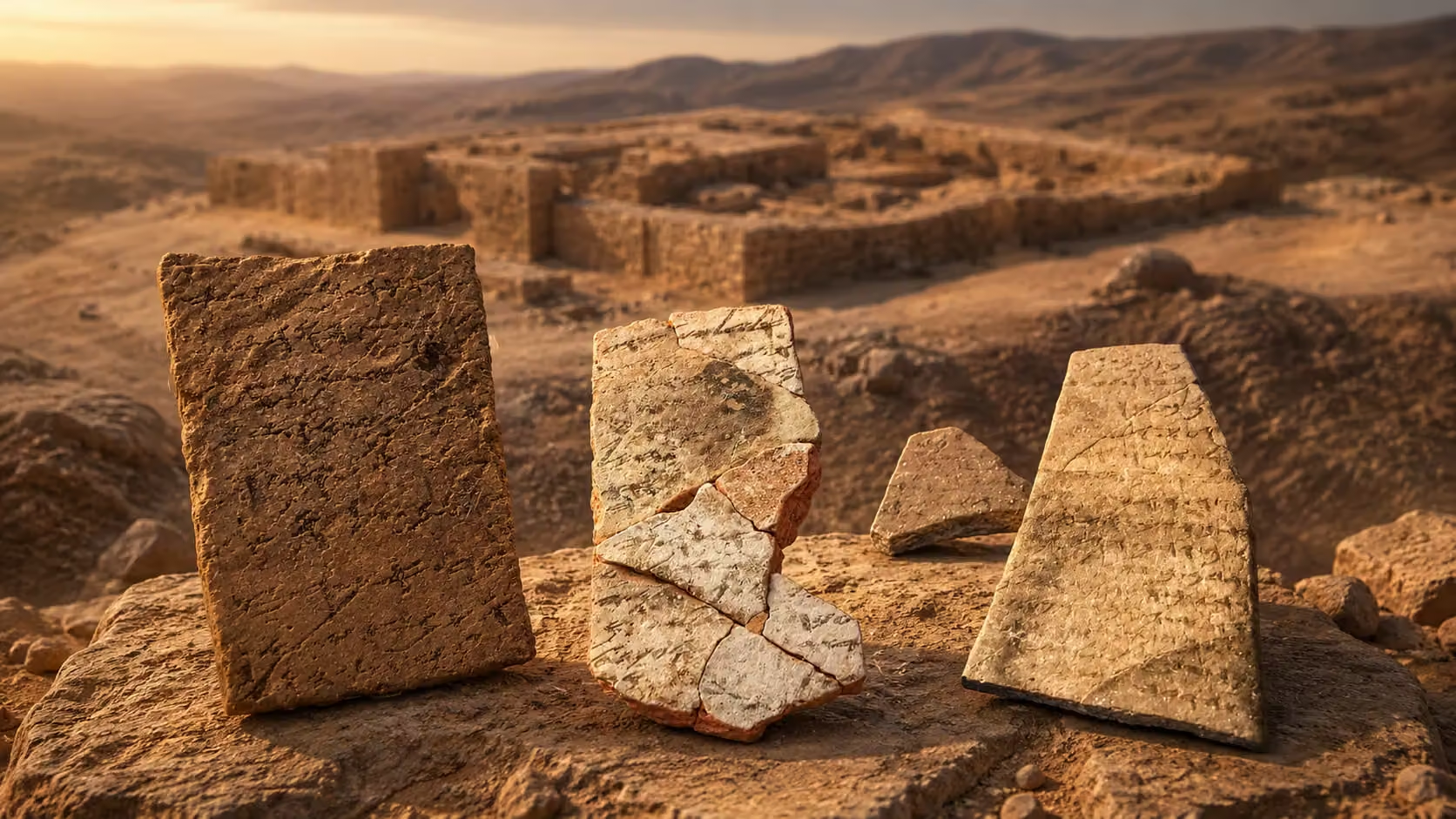
    The Gezer Calendar: An Israelite Almanac or a Writing Exercise?

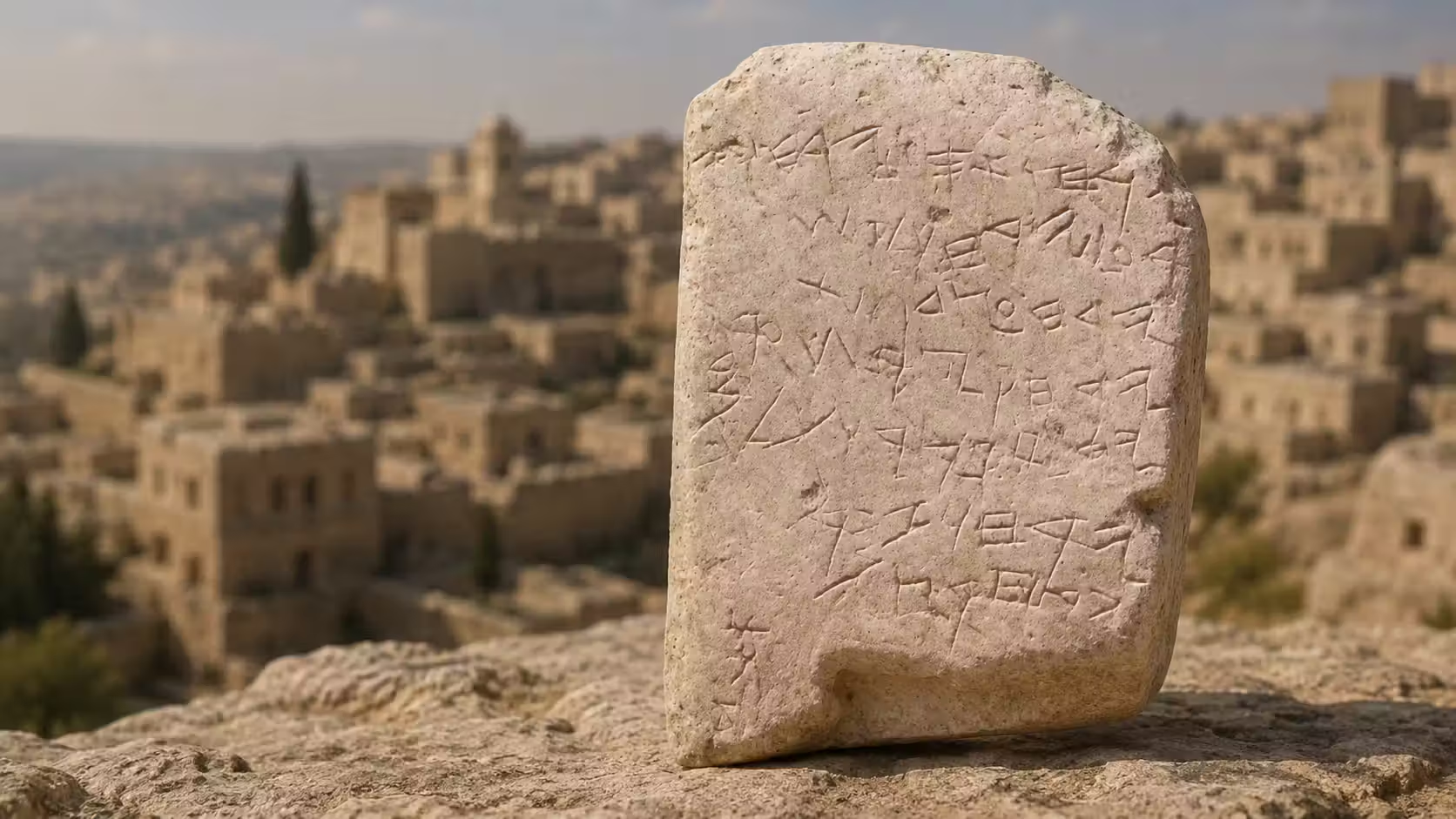
    The Gezer Calendar is a small limestone tablet inscribed with a list of agricultural activities covering a full year, dating to the tenth century BCE. Found in 1908 at Tel Gezer, it is one of the earliest known inscriptions in a language and script that may be Hebrew, making it significant for understanding early Israelite literacy and the agricultural calendar. Its exact purpose remains debated, with interpretations ranging from a farmer's almanac to a scribal exercise.

    Tel Gezerc. 10th century BCE (Iron Age IIA)Inscription

A brass compass and pocket watch resting on aged paper

Stay informed. Stay encouraged.

Join the Ark Life Newsletter

Weekly studies, news, and encouragement—straight to your inbox.